Waterfowl Tips & Tactics
How to Tell If Ducks Are Flaring From Your Blind
Arkansas County Guide Service • Concealment
Home / Waterfowl Tips / Concealment
Ducks turning away from a field and ducks flaring from a blind can look similar from a hunter’s seat. The difference is what happens just before they leave. A group that circles at the same height and drifts toward another part of the field may have a location preference. Birds that approach comfortably, then climb or turn sharply near the hide, give you a reason to examine concealment.
One flock does not settle the question. Watch several approaches and look for the same change at the same place. That pattern helps you decide whether the blind needs attention or whether wind, calling, or the landing pocket is the better place to start.
Quick Takeaway
Look for a repeated, abrupt change near the blind. Check exposed hunters, movement, openings, and the outline before rebuilding the decoy spread.
Watch Where the Change Happens
Follow the flock from its first turn toward the spread. Notice whether birds lose altitude, hold their course, and stay grouped. Then mark where that behavior changes: over the blind, beside a shooting opening, at a decoy cluster, or along the downwind approach.
An abrupt climb near the blind is a clue, not proof. A gust, a call, movement elsewhere in the field, or another bird can also change the approach. Compare the next few groups before making a major adjustment. Our article on reading ducks working your spread explains the broader flight patterns to watch.
Check the Hide From the Approach
When birds are gone and it is safe to leave the blind, look back from the direction they were using. Check more than the front wall. The top, ends, entrance, and contrast against surrounding cover can be visible during a circle.
Look for a straight edge, a gap in brush, bright gear, or a dark opening that stands out from the rest of the cover. Material should fit the habitat around the blind. Adding a large, square pile of brush can leave a different obvious shape instead of solving the original problem.
Account for Every Hunter and the Dog
A well-covered blind can still reveal the people inside it. Faces above the cover, hands on an opening, and shoulders turning to follow birds are worth checking. Set seats and sight lines so hunters can watch without repeatedly rising above the hide.
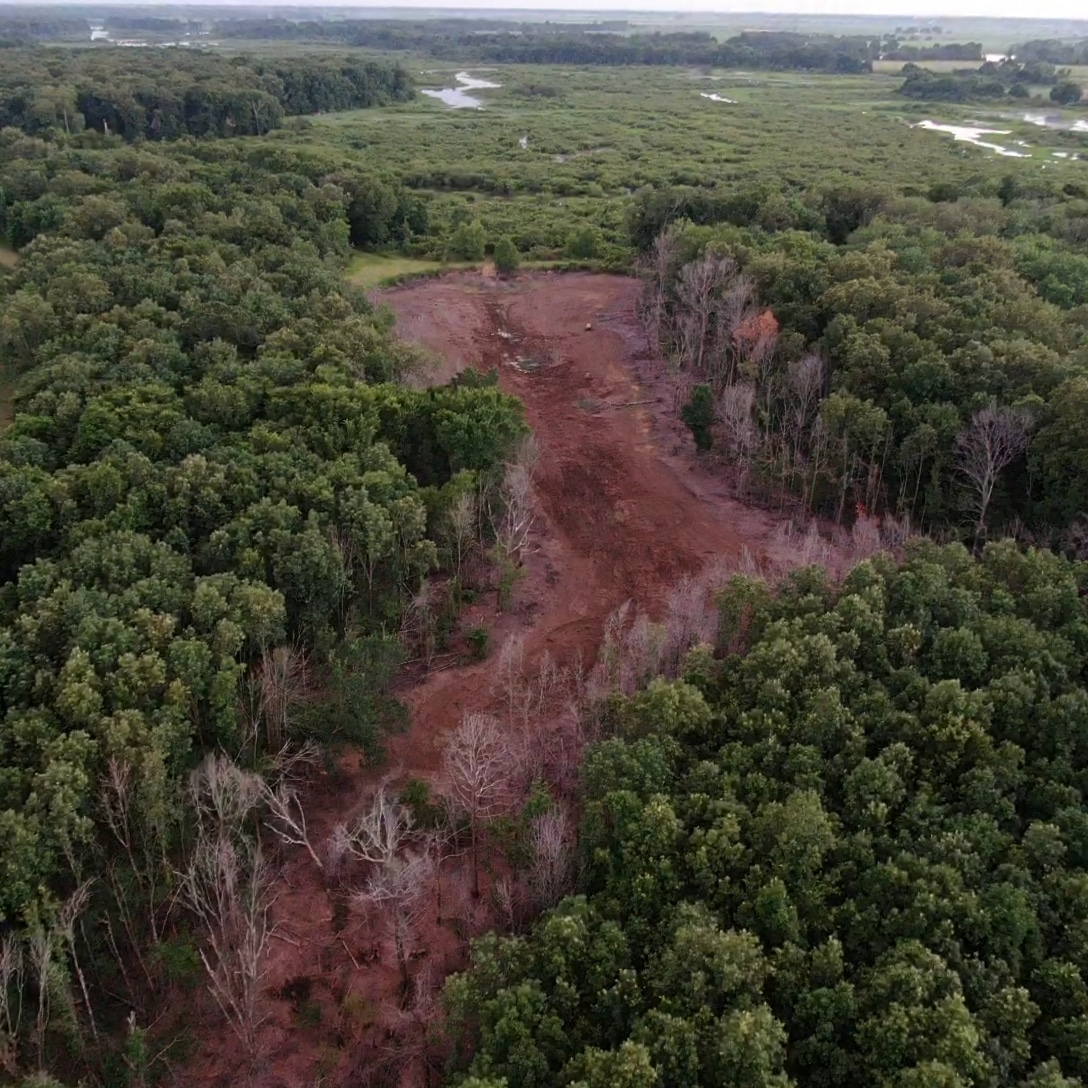
Keep the retriever and its handler concealed too. The same applies to bags, drinks, phones, and anything laid on top of the blind. Choose comfortable positions before birds arrive; discomfort creates the urge to shift around at the worst moment.
Recheck as Light and Wind Change
A hide that blends at shooting light may look different once the sun reaches it. Shadows move, wet surfaces can catch light, and bare openings can become easier to see. Check worn cover after rain, wind, and repeated use.
A wind shift can bring the next flock from a new direction. That exposes a different side of the blind and changes the view into its openings. Reassess concealment from that approach instead of assuming the morning’s first inspection still applies.
Separate a Blind Problem From a Spread Problem
If birds remain calm but consistently favor an outside corner, check the landing opening and the part of the field they want to use. If they turn away immediately after a calling sequence, try changing the calling before adding cover.
If several groups become nervous as they cross the blind, correct the clearest concealment problem first and observe again. Change one thing at a time when practical. For other causes of an unfinished approach, read Why Ducks Circle But Won’t Finish.
Fix the Obvious Issue Before the Next Flock
Close an exposed gap, cover bright equipment, and agree on when everyone will move. Small changes can be made without disturbing the whole field. Bigger repairs or a move should happen when they can be completed safely and without rushing around working birds.
Keep notes on what you changed and whether the next approaches improved. If the same rejection continues, reconsider location and the landing pocket. A blind repair cannot make ducks want a piece of habitat they are consistently avoiding.