How to Read Ducks Working Your Decoy Spread
Arkansas County Guide Service • Waterfowl Hunting
A lot of duck hunting advice focuses on what the hunter should do. Call this way. Put decoys here. Face the blind this direction. But there’s another side to it. Watch the ducks. When a group starts working a spread, we’re watching much more than whether they’re getting closer. We’re looking at how they turn, where they lose altitude, which side of the spread they favor and what happens when we call.
The ducks are giving us feedback on the setup in real time. Learning to recognize that feedback is one of the most useful skills a waterfowl hunter can develop.
The First Turn Matters
When distant ducks change direction toward your spread, something got their attention.
Whatever caused it, the first turn tells us we’ve gotten into the conversation. Now we want to see what happens next.
Getting their attention is only step one.
Watch Their Altitude, Not Just Their Circles
Two groups can circle the spread three times and be doing completely different things. One group may be losing altitude on every pass. That’s usually encouraging. Another group may make three wide circles at exactly the same height.
They’re looking, but they may not be committing. Then there’s a group that starts low and begins climbing. That is usually telling you the opportunity is going the wrong direction. We want to see circles getting tighter and altitude coming down. That’s progression.
“Don’t just count how many circles they make. Watch whether every circle brings them closer to making a decision.”
Pay Attention to the Lead Ducks
In a larger group, don’t try to watch every bird at once. Watch the ducks influencing the direction of the group. If the front birds turn and the rest follow, that’s important. If the lead birds start dropping altitude, the group may follow them down.
If those birds suddenly change direction around the same part of the field, look closely at what they may have seen. The reaction of one or two birds can change what the entire group does.
What Happens When You Call?
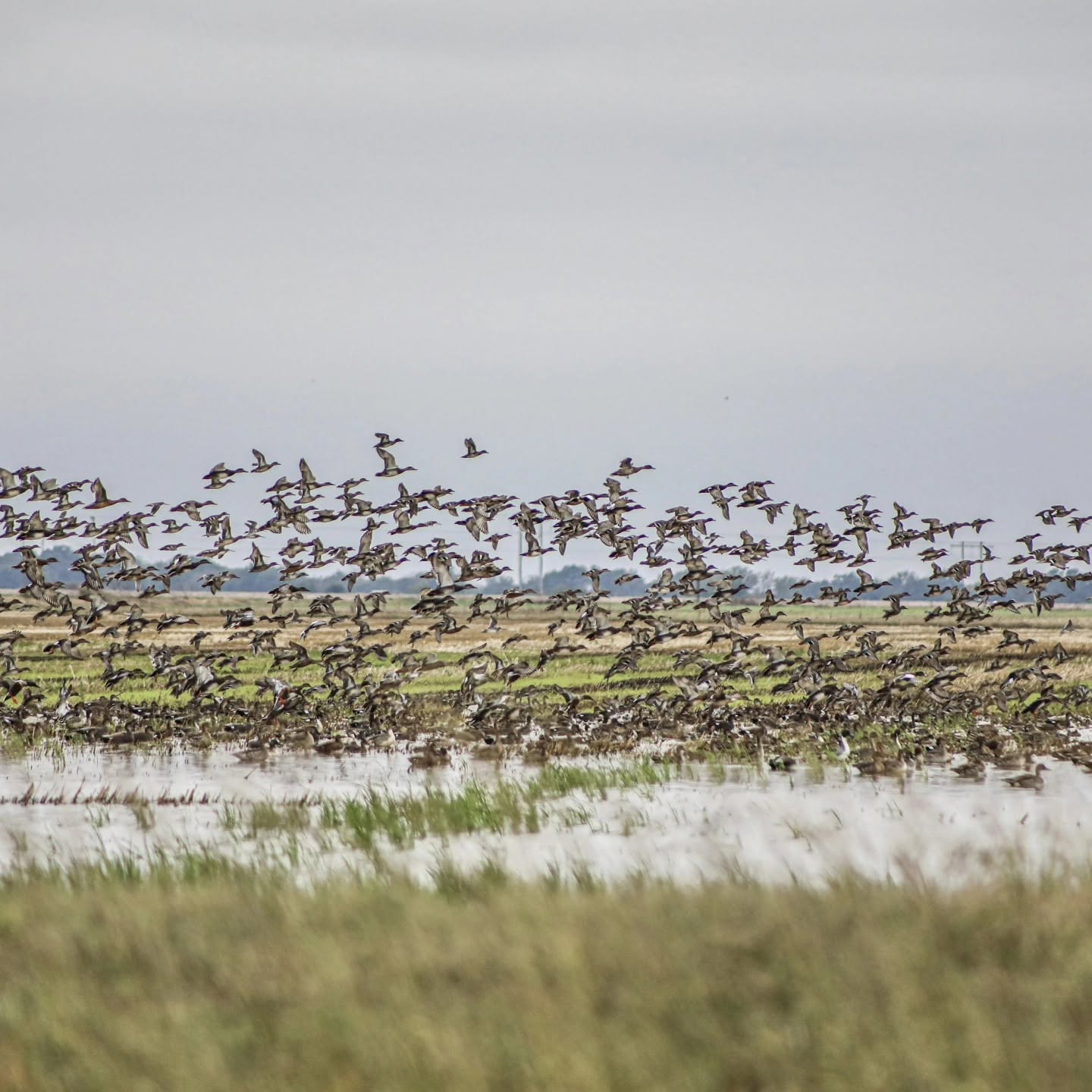
Calling gives you an opportunity to test the birds. Make the call and watch what happens. If ducks are traveling away and immediately turn back, you’ve learned something. If they tighten the circle and lose altitude, you’ve learned something.
If they were already approaching and suddenly widen out when you call, you’ve learned something too. The important part isn’t simply whether the ducks “like calling.” It’s how those particular ducks respond at that particular moment. That can change from group to group.
Wide Circles vs. Tight Circles
Wide circles aren’t automatically bad. Ducks may initially want a better look at the field before committing. What we want to see is progress. A group making a big first pass, a smaller second pass and a lower third pass is moving in the right direction. A group making the same huge circle six times without losing altitude is different.
At some point they’re interested enough to keep looking but not comfortable enough to finish. That’s when we’re watching closely for the reason.
When Ducks Start Sliding to One Side
This is one of the behaviors we pay close attention to.
If one group slides to the right side of the spread, it might mean nothing.
If several groups do it, something is happening.
Maybe the wind makes that approach easier.
Maybe the birds prefer the water on that side.
Maybe the landing hole isn’t where they want it.
Or maybe something near the blind is pushing them away.
Repeated behavior is valuable information.
Instead of asking why the ducks won’t land where we want them, sometimes we need to ask why they keep trying to land somewhere else.
The Moment Ducks Get Nervous
There’s a difference between ducks naturally turning and ducks reacting to something. A relaxed group may make smooth turns and continue working. A suspicious group can suddenly change direction, level its wings differently, gain altitude or widen the circle.
That moment matters. Try to remember exactly where they were when it happened. If another group reacts in the same location, now you’ve got something to investigate.
The location of the reaction often tells you more than the reaction itself.
“The question isn’t just, ‘Why did those ducks leave?’ The better question is, ‘Where were they when they decided to leave?’”
When They’re Finally Committed
Committed ducks look different. The circles tighten. Altitude disappears. Their approach begins lining up with the landing area. Instead of inspecting the whole field, their attention appears concentrated on where they’re going to land. This is also the point where hunters can ruin all the work that got the birds there.
People start moving. Heads come up. Somebody reaches for a gun too early. Someone decides the ducks need one more call. When ducks are doing exactly what you want, let them keep doing it.
Compare Groups Throughout the Morning
The real value of reading ducks comes from comparing what happens over time. The first group gives you information. The second group gives you something to compare it against. By the third or fourth group, you may start seeing a pattern. Maybe every group wants the west side.
Maybe they respond well to calling when they’re leaving but poorly when they’re approaching. Maybe they’re consistently getting low until they cross the blind. Maybe birds work beautifully until the sun reaches a certain angle. Those patterns are what help us decide whether to change something.
Fresh Birds and Pressured Birds Can Read a Spread Differently
Not every group should be expected to react the same way.
New birds may commit quickly.
Birds that have spent time in the area may take longer looks.
Later in the season, we may see ducks inspect setups from farther away or react to things they ignored earlier.
That’s why rigid rules don’t work particularly well in waterfowl hunting.
You can’t decide before daylight exactly how much you’re going to call every group or exactly how many passes you’ll let them make.
You have to hunt the birds that are actually in front of you.
Don’t Hunt the Last Group
This is an easy trap. The last group wanted aggressive calling, so we hammer the next group. The last group landed on the left side, so we immediately change the spread. But the next ducks may react completely differently. Use previous groups as information, not absolute rules. We’re trying to recognize patterns while still allowing each group to tell us what it wants.
Eventually You Stop Guessing
Nobody can know exactly what a duck is thinking. But you don’t need to. You need to recognize behavior. After enough mornings watching ducks work, certain things start becoming familiar.
And you recognize when birds are committed enough that the best thing everyone in the blind can do is stay still and let them come. That’s one of the differences experience makes in a duck blind. You spend less time trying to make ducks follow your plan and more time adjusting your plan to what the ducks are already telling you.