How We Manage Duck Hunting Pressure In Arkansas
Arkansas County Guide Service • Waterfowl Hunting
After guiding pressured ducks and geese for a couple decades, one thing becomes pretty obvious, ducks learn fast. And when those ducks finally get to Arkansas, we are not dealing with birds that just figured out somebody is trying to shoot them. A lot of them have already traveled hundreds or even thousands of miles down the flyway. Along the way they have seen blinds, boats, spinning-wing decoys, calling, shotguns, trucks on levees and just about every decoy spread somebody could come up with.
By the time they reach Arkansas, especially later in the season, some of those birds have earned an education. That hunting pressure changes where they go, when they move, how they approach a spread and sometimes whether they will work hunters at all. If you want to consistently kill ducks in Arkansas, you have to pay attention to that.
They Have Been Hunted Long Before They Reach Arkansas
People sometimes talk about a fresh push of ducks like every bird in that migration has never seen a shotgun. That is usually not the case. Those ducks have been moving south through the flyway, stopping wherever they find food, water and weather they like. In a lot of those places, somebody has been waiting on them.
Every time birds get shot at, bumped off a feeding area or pressured out of a resting area, they learn something. Maybe they start avoiding a particular kind of cover. Maybe they quit dropping straight into big groups of decoys. Maybe they start feeding after dark. Maybe they find a refuge or a piece of water where nobody bothers them.
You see that education show up when they get to Arkansas. Early in the season you may get birds that see the hole, hear a little calling and come right on down. Later in the year, you can watch that same kind of group circle five, six or seven times looking for something they do not like. Those birds are looking because experience has taught them to look.
“By the time a late-season mallard gets to Arkansas, you are probably not the first hunter who has tried to fool him. Sometimes the best thing you can do is quit showing him the same thing everybody else has.”
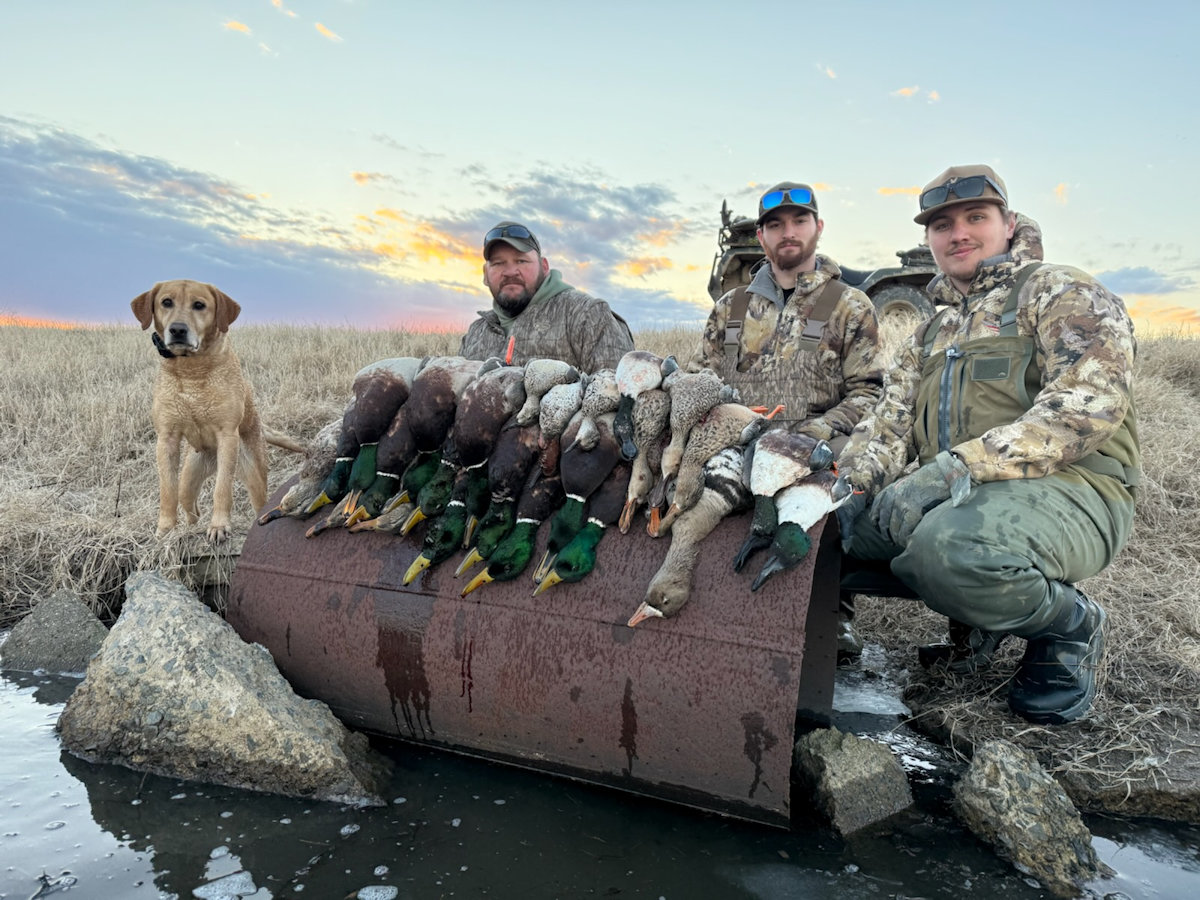
Pressure Changes Where Ducks Want to Be
One of the first things hunting pressure changes is where ducks spend their time. You can have a field with everything a duck ought to want — food, water and good cover — and still watch birds pile into another place. Why? Sometimes it is simply because they feel safer over there.
Ducks figure out pretty quickly which places get hunted and which places do not. If one field gets shot every morning while another property gets left alone, it does not take long for birds to adjust. That is why refuges and areas with little pressure can stack up with ducks while good-looking hunting ground nearby seems empty. It is also why resting hunting ground matters so much. Food brings ducks to an area. Security keeps them comfortable enough to stay there.
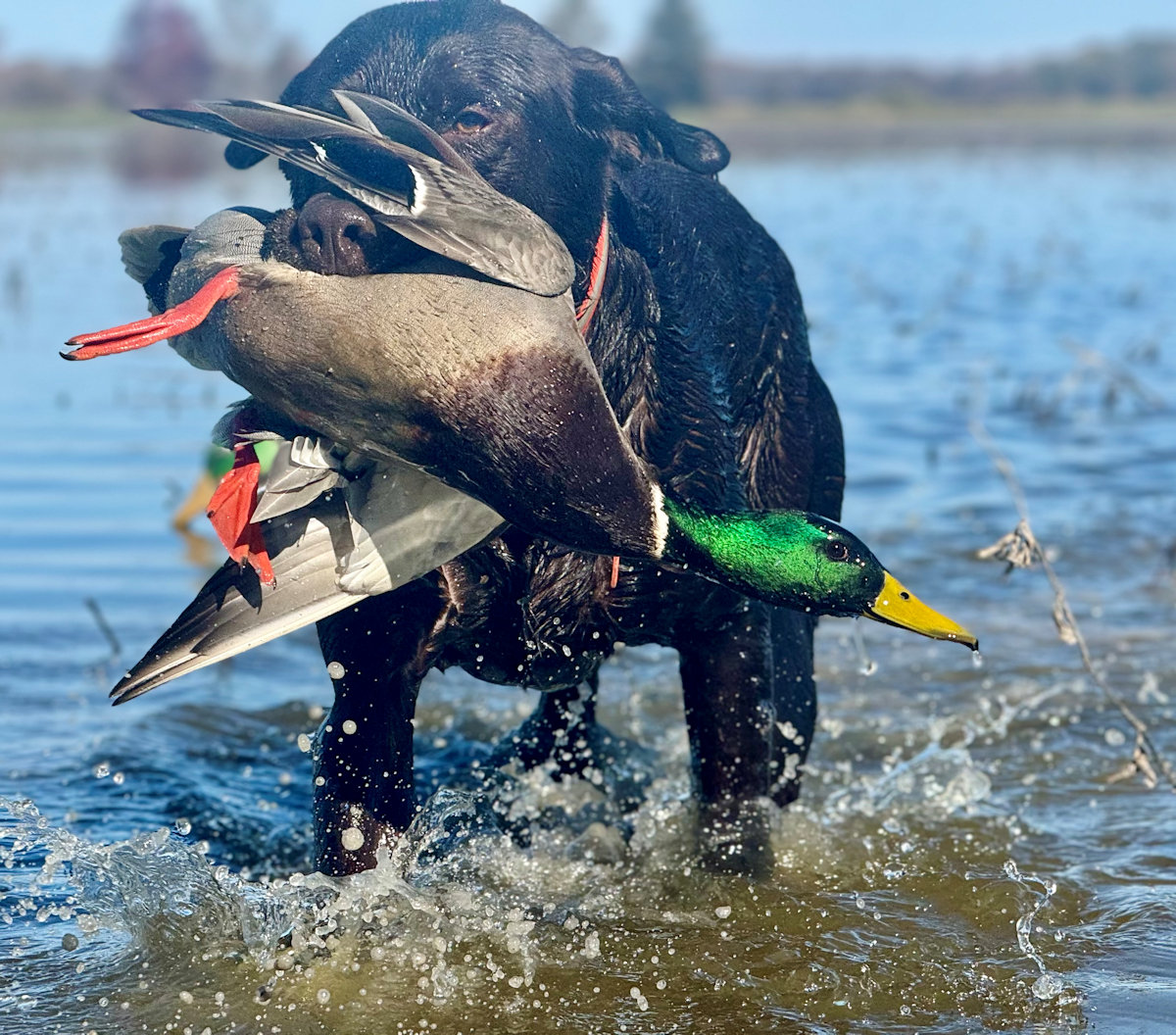
Pressure Changes When Ducks Move
Another thing experienced hunters notice is that pressured birds start changing their schedule. A place may have plenty of ducks using it, but that does not mean they are going to use it while you are sitting there with a shotgun. Birds that have been pressured hard may start feeding later in the morning, in the afternoon or after shooting hours. You can scout a field in the evening and see it covered with ducks, then sit there the next morning wondering where they all went.
They did not necessarily leave the country. They may have simply learned when it is safe to be there. That is one reason scouting means more than just counting birds. We want to know when they are coming, how they are using the field and how comfortable they look when they get there.
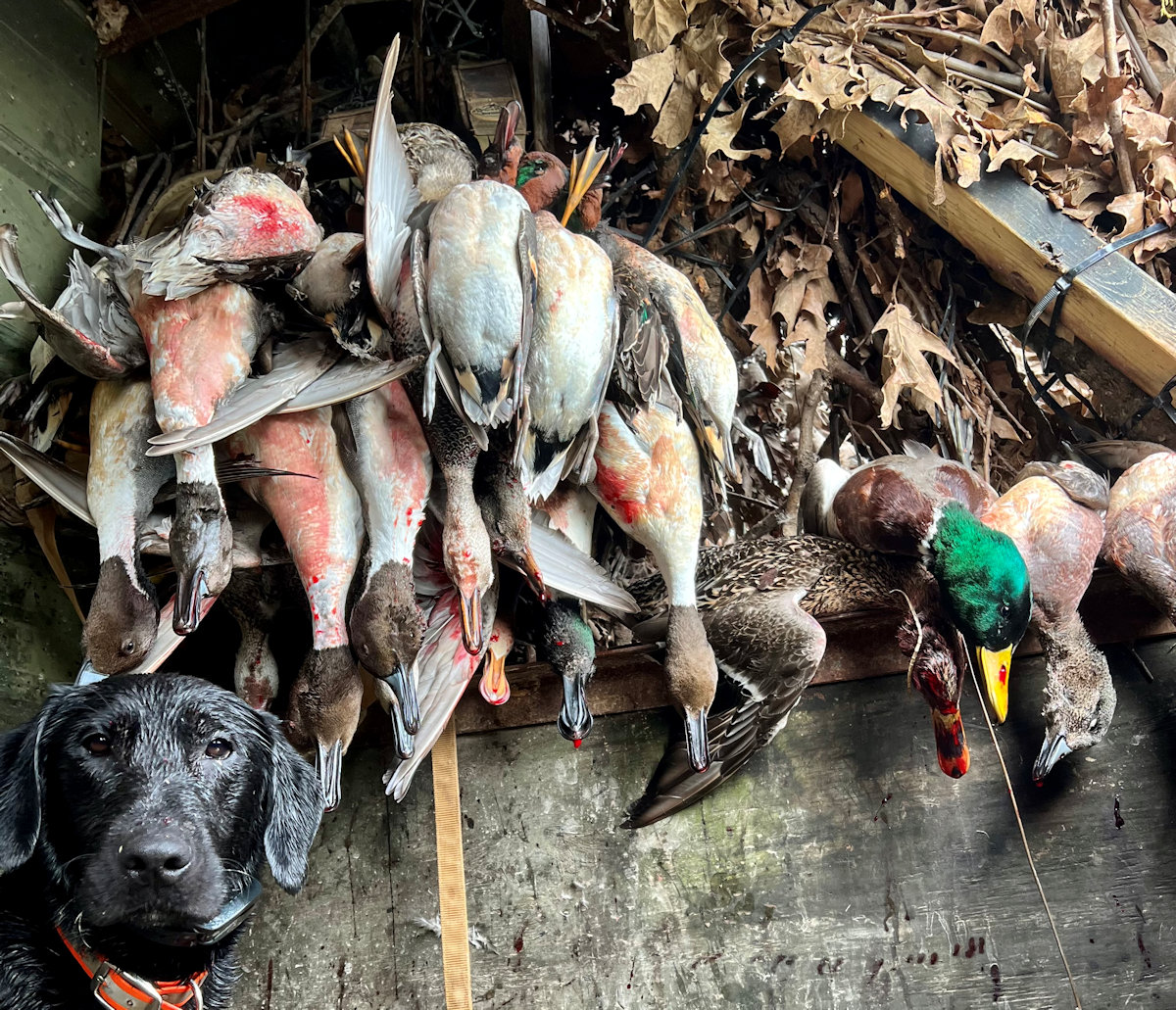
They Start Looking at the Little Things
Fresh ducks can make you feel like you are the best caller and decoy setter in Arkansas. Pressured ducks will humble you pretty quick. The longer birds have been hunted, the more you start seeing them pick apart a setup.
That is when little things start mattering more. Concealment. Movement. Where the blind is sitting. How the decoys are positioned. Whether birds have room to land naturally. How much calling you are doing. Sometimes the answer is adding something. A lot of times the answer is taking something away.
More Calling Is Not Always Better
Calling is probably one of the easiest ways to see the difference between fresh birds and pressured birds. There are days when ducks want you to stay on them. There are other days when every extra note seems to push them a little farther away. You have to watch the birds. If you hit them and they turn toward you, they are telling you something.
If every time you call they start sliding away, they are telling you something too. Late-season Arkansas mallards have heard plenty of duck calls by the time they get here. You are not going to overpower every group with volume. Sometimes a couple good notes at the right time and then shutting up will kill more ducks than trying to call them all the way to the water. The birds usually tell you what they want if you are willing to listen.
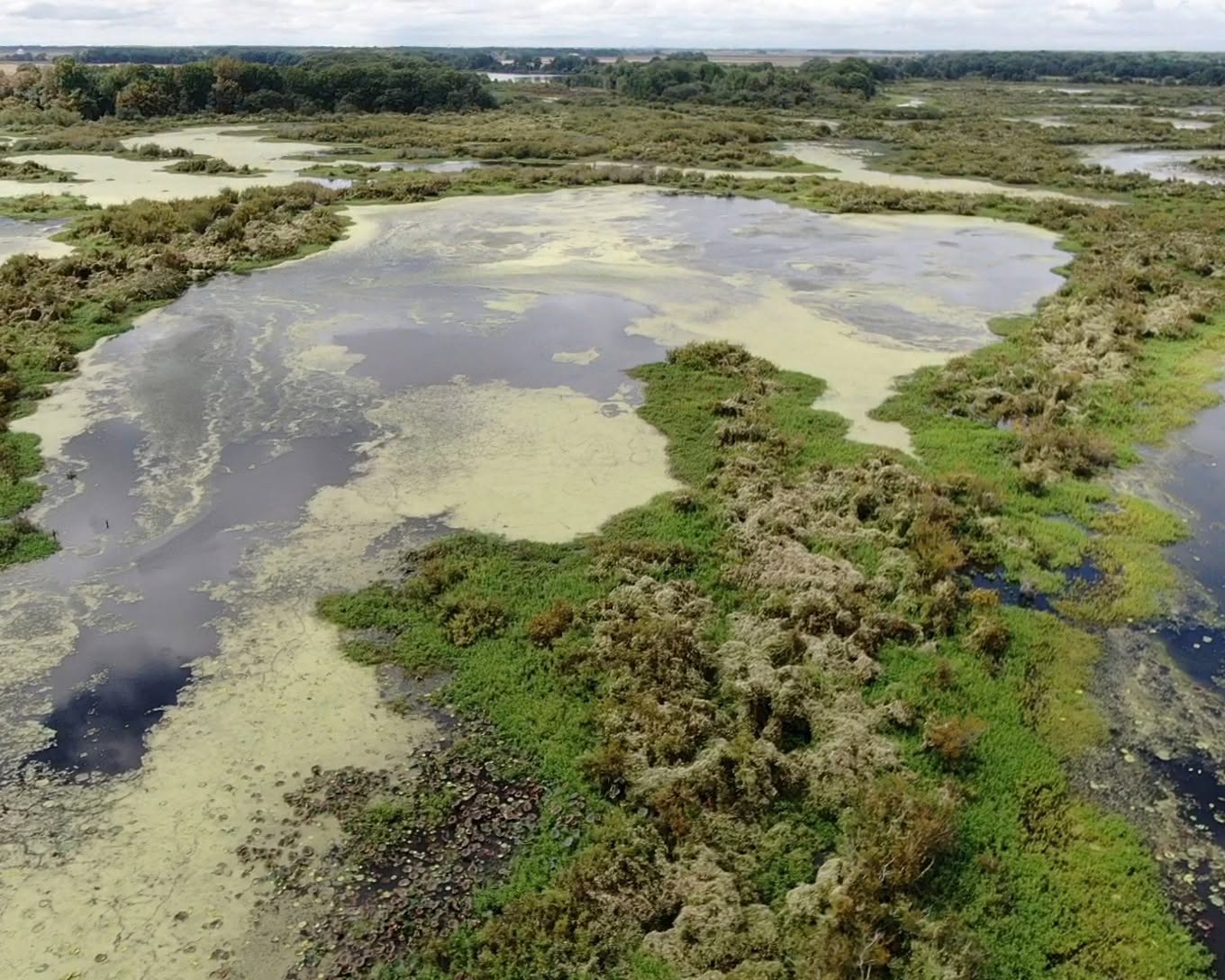
The Same Goes for Decoys
There is no decoy spread that works every day of an Arkansas duck season. Early birds, migrating birds and pressured late-season birds can react completely differently to the same setup. Sometimes a big spread gives birds confidence. Sometimes they have been looking at big spreads for weeks and something smaller and more natural works better.
The same thing applies to motion. There are times when movement gets their attention from a long way off. There are other times when ducks have seen enough motion decoys that you can almost watch them recognize one and start getting nervous.
Again, there is no rule that says small is always better or big is always better. The mistake is deciding beforehand what ducks are supposed to like instead of watching how they actually react.
Fresh Birds Can Change Everything
This is why Arkansas duck hunters watch weather so closely. A good front can bring new birds into the area and make everything look different almost overnight.
Birds that have been sitting around the same area getting pressured for a couple weeks can become extremely difficult. Then new ducks show up and suddenly they are working calls, finishing over the decoys and acting the way everybody wants ducks to act.
It can make you think you finally figured out the magic setup. Most of the time, you just got some new customers. That is the difference a migration can make. But those birds will learn too if everybody starts hammering them.
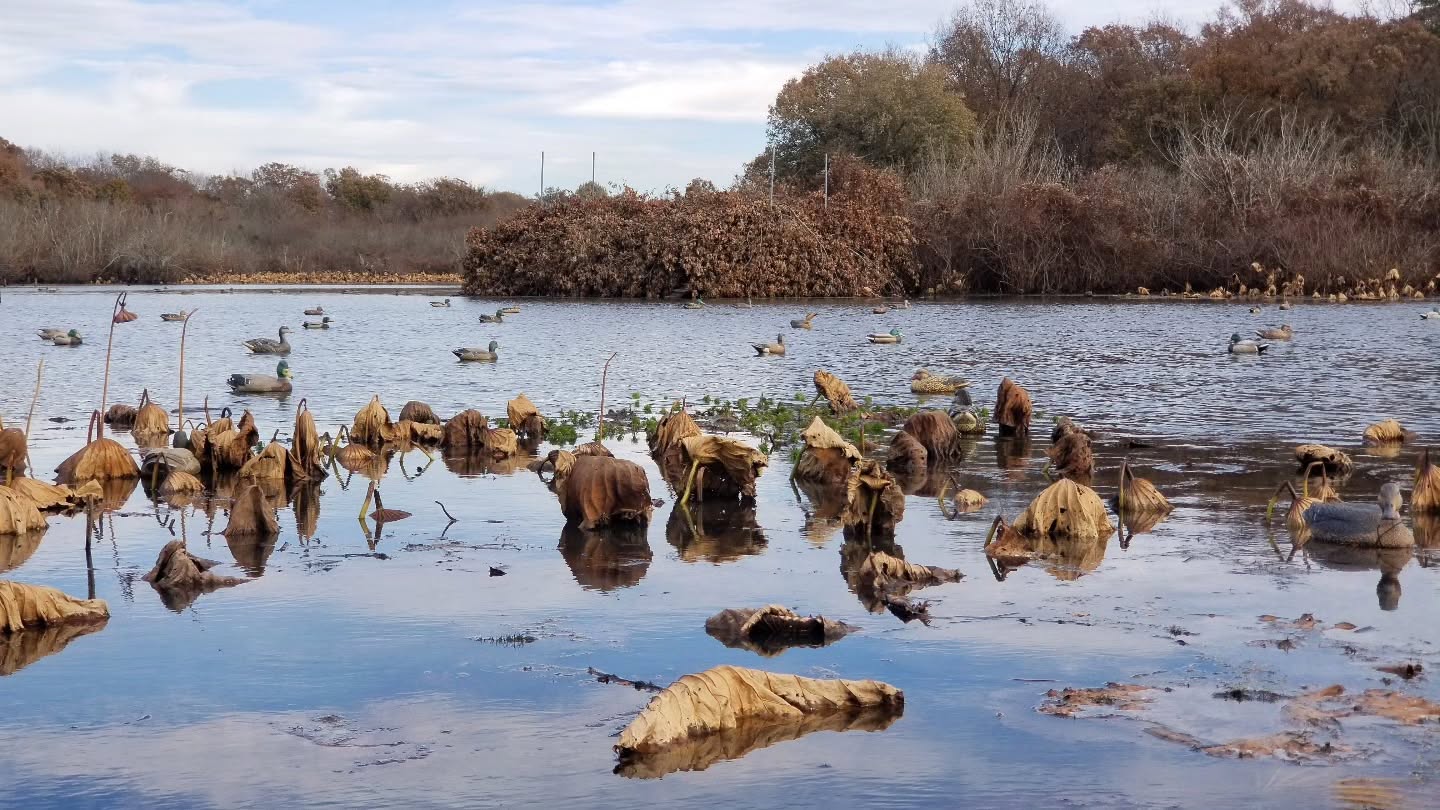
Arkansas Ducks Get Pressure From Every Direction
Arkansas is one of the places ducks want to be, but it is also a place where a lot of people want to hunt them. That means birds can encounter pressure in flooded timber, rice fields, bean fields, pits, blinds and other habitat throughout the region. And it is not just the shooting. Boats running before daylight, ATVs on levees, trucks checking fields, people brushing blinds, scouting too close to birds and hunters walking around a property all create pressure.
A duck does not have to understand what an ATV is. He only has to learn that every time he sees one, something bad happens a little while later. After enough repetition, birds start reacting before the shooting ever starts. That is something you have to keep in mind when managing Arkansas hunting ground.
Good Hunters Learn to Read the Birds
There is no checklist that tells you exactly what to do with pressured ducks every morning. That would make guiding a whole lot easier. What experience gives you is the ability to recognize what the birds are telling you and make adjustments before the hunt is over.
Every one of those reactions gives you information. Sometimes we change the calling or move decoys to change where we want birds to finish. Sometimes the problem is concealment, other times you have to admit that those birds have been fooled with enough and need to be left alone.
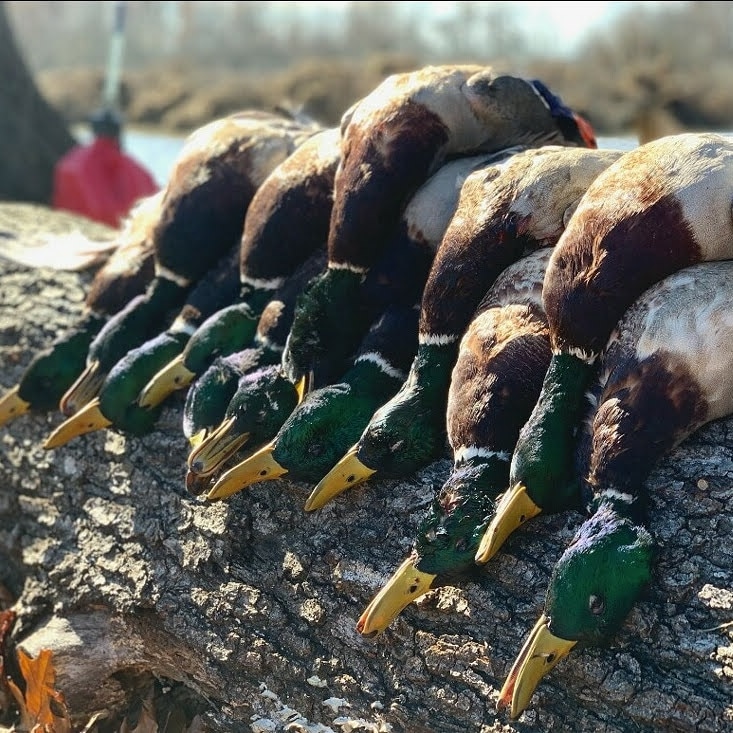
Sometimes the Answer Is Leaving Them Alone
One of the best tools for hunting pressured ducks does not fit in a blind bag. It is restraint.
If birds have been using a field and you keep going back because you killed ducks there yesterday, eventually you can hunt yourself right out of it. That is why we put so much emphasis on rotating and resting ground. You want ducks to have places where they can feed and get comfortable without somebody shooting at them every morning.
The better you manage that pressure, the better chance you have of keeping birds around. That becomes especially important later in the Arkansas season when you are dealing with ducks that have already seen just about everything.
Twenty Years Teaches You Not to Fight the Ducks
One of the biggest things experience teaches you is that you cannot make ducks do something they do not want to do. You can have the best blind, expensive decoys and a great caller, but if the birds do not want to be in that spot, you are going to have a long morning. The best Arkansas duck hunts happen when you put yourself where birds already want to be and then give them as few reasons as possible not to finish.
After twenty years, you quit trying to prove that you can outsmart every duck.
You start paying more attention to what the ducks are telling you.
That will teach you more than any rule somebody gives you about calling, decoys or hunting pressure.