Why Ducks Circle But Won’t Finish
Arkansas County Guide Service • Waterfowl Hunting
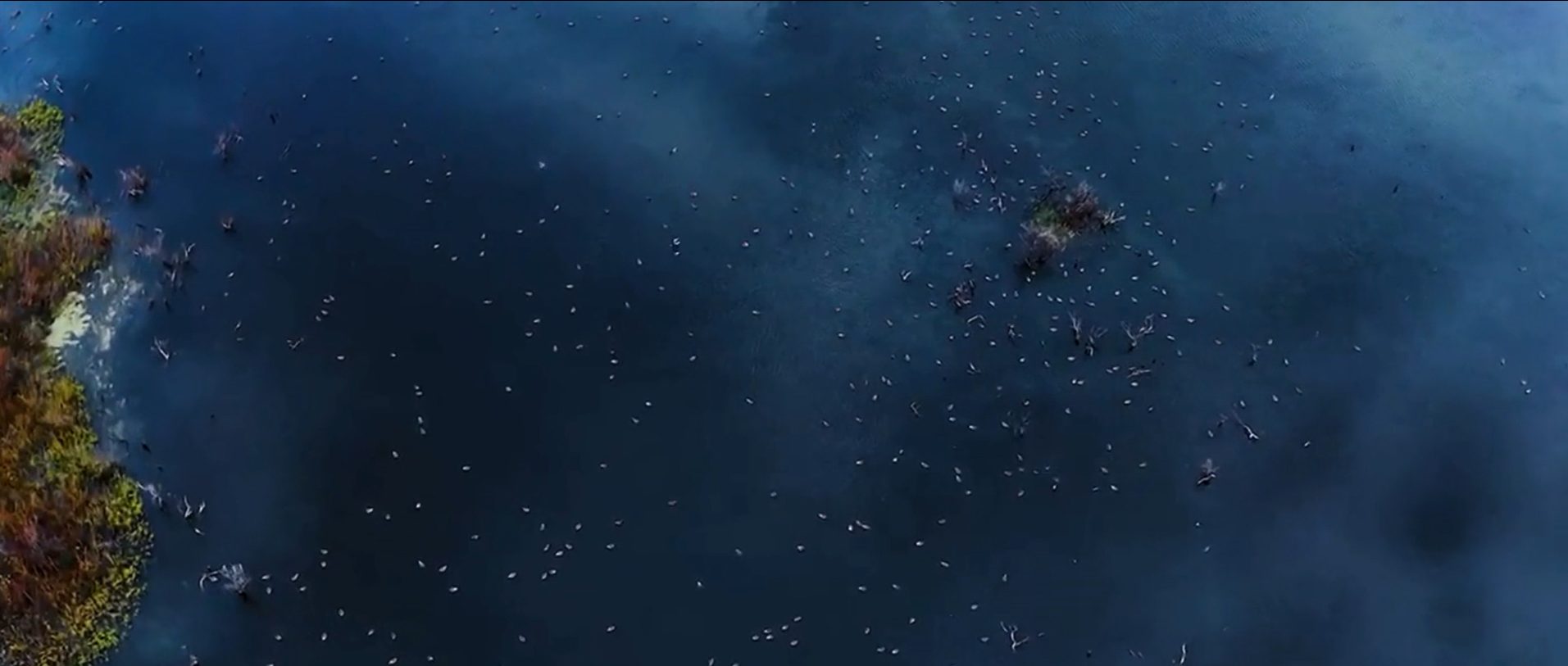
Few things in duck hunting are more frustrating than watching a group do almost everything you want them to do. They see the spread. They turn. They make another pass. Then another. They lose altitude until you start thinking the next pass is going to be the one.
Then something changes. The ducks level out, slide off the edge of the spread and disappear. It’s easy to say those ducks just wouldn’t finish. Sometimes that’s true. But when it keeps happening, we start looking for a reason.
After hunting Arkansas ducks for more than twenty years, we’ve learned to pay attention to where the birds make their decision. Ducks that circle a setup several times are giving you information on every pass.
Circling Ducks Are Interested Ducks
The first thing to understand is that circling isn’t necessarily bad. If a group of mallards changes direction, comes toward the spread and continues making passes, something about the setup has their attention.
The field may be where they want to be. They may like the decoys. Calling may have gotten their attention. They may recognize the area as somewhere they have been feeding. The problem is that being interested and being comfortable enough to land are two different things.
As ducks get lower, their view of the setup changes. Things they couldn’t see from several hundred yards away become easier to pick apart. That’s when little problems start becoming big problems.
“If ducks keep coming back for another look, we don’t assume they aren’t interested. We start asking what they’re seeing on that last pass that keeps them from committing.”
Watch Where They Break
One of the first things we watch is where the ducks quit working. A group that circles several times and suddenly gains altitude directly over the blind may be telling you something completely different than ducks that stay low but consistently slide fifty yards downwind.
That distinction matters. If multiple groups react in almost exactly the same place, we pay attention.
One group can do something strange for no obvious reason. When three or four groups make the same move in the same place, we start treating it like a pattern.
The Blind May Look Different From the Air
Hunters judge concealment from ground level. Ducks don’t. A blind can look great while you’re standing twenty yards away and look completely different to a mallard circling above it. Straight lines are a problem. Dark holes are a problem. Fresh brush that doesn’t match the surrounding cover can be a problem. Hunters looking up can be a problem.
Movement is even worse. Four hunters turning their heads together when somebody says, “Here they come,” creates a surprising amount of movement. Early in the season, you might get away with more of it. Later in the Arkansas season, when birds have been hunted repeatedly along the flyway, those details can become much more important.
If birds repeatedly work well until they get directly over or beside the blind and then leave hard, concealment is one of the first things we inspect.
They May Want to Land Somewhere Else
Sometimes nothing is wrong with the blind. The ducks simply want a different spot. This happens more than hunters sometimes realize. We build a landing hole where we want ducks to land, but ducks don’t care where we want them. They respond to wind, water depth, existing birds, food, cover and the shape of the field.
If group after group keeps drifting toward the same corner, levee, shallow spot or edge of the spread, they’re telling you something. At that point, continuing to force them toward your original landing hole may be fighting the birds. Sometimes the better adjustment is moving part of the spread, opening another pocket or changing where the concentration of decoys sits.
The best-looking decoy hole from the blind isn’t always the best-looking decoy hole from the air.
The Wind Can Make a Good Spread Hunt Bad
Wind direction affects much more than which direction the decoys face. Ducks generally want to finish into the wind, but the way they approach can be influenced by the field, cover and other birds. A small wind shift can move the natural approach twenty or thirty yards.
That may be enough to put birds over the wrong side of the blind or make your landing hole awkward. Pay attention to what the wind is actually doing at the field—not just what the forecast said it was supposed to do. If birds keep approaching correctly and then sliding sideways as they get close, look at whether your spread is giving them a clean way into the wind.
Sometimes We’re Calling Too Much
Calling gets blamed when ducks don’t work, but too much calling can cause problems too. There are mornings when birds respond aggressively. There are other mornings when the best thing you can do after getting their attention is put the call down. Watch the ducks.
If you call and a group immediately turns toward you, that tells you something. If they’re already coming and every time you call they widen their circle, that tells you something too. We aren’t trying to win a calling contest from the blind. We’re trying to put ducks in front of hunters. Once calling has done its job, sometimes the smartest call is no call at all.
“Calling should change what the ducks are doing in your favor. If they’re already doing exactly what you want, sometimes there’s nothing left to say.”
Your Decoys May Be Closing the Door
More decoys don’t automatically make a better spread.More decoys don’t automatically make a better spread. Look at the setup from the duck’s perspective.
A spread can look perfect from the blind and still fail to provide a comfortable landing area. When birds repeatedly get low and then float past the intended hole, we’ll sometimes make the hole bigger rather than adding more decoys.
Sunlight Changes a Setup
A setup at 6:45 in the morning isn’t necessarily the same setup at 9:00. As the sun rises, shadows change. Hunters who were hidden before daylight may suddenly have sunlight hitting their faces. The inside of a blind can become a dark rectangle surrounded by bright vegetation. Equipment can start shining.
This is one reason we pay attention when a field hunts well early and suddenly birds become harder to finish later in the morning. The ducks may not have changed. What they’re seeing may have changed.
Pressure Changes the Rules
A duck that recently arrived in Arkansas and a duck that has spent weeks being hunted can behave very differently. As the season progresses, birds see blinds. They see decoy spreads. They hear calling. They get shot at. That doesn’t mean every late-season duck becomes impossible to hunt. It means we’re more willing to question things that worked earlier.
And sometimes the answer isn’t changing the setup at all. Sometimes the field needs to be left alone.
Don’t Change Everything After One Group
This may be just as important as knowing when to make an adjustment. Ducks are ducks. Sometimes a group leaves. If you completely rebuild the spread every time five mallards don’t finish, you’ll spend more time moving decoys than hunting.
We’re looking for repeated behavior. One group slides right? Remember it. The next group slides right? Pay closer attention. The third group makes almost exactly the same move? Now we probably have something worth investigating. Good adjustments come from patterns, not panic.
Let the Ducks Diagnose the Setup
When ducks won’t finish, hunters naturally want an immediate answer. Sometimes there isn’t one. But the birds usually give us clues. Watch where they first react to the spread. Watch what happens when somebody calls. Watch how much altitude they lose. Watch which side they favor. Watch where they turn away.
Most importantly, compare one group to the next. That’s when random duck behavior starts becoming a pattern. And once you see the pattern, you have a much better chance of fixing the problem before the next group gets there.