Hunting Ducks and Geese in the Same Field
Arkansas County Guide Service • Waterfowl Hunting
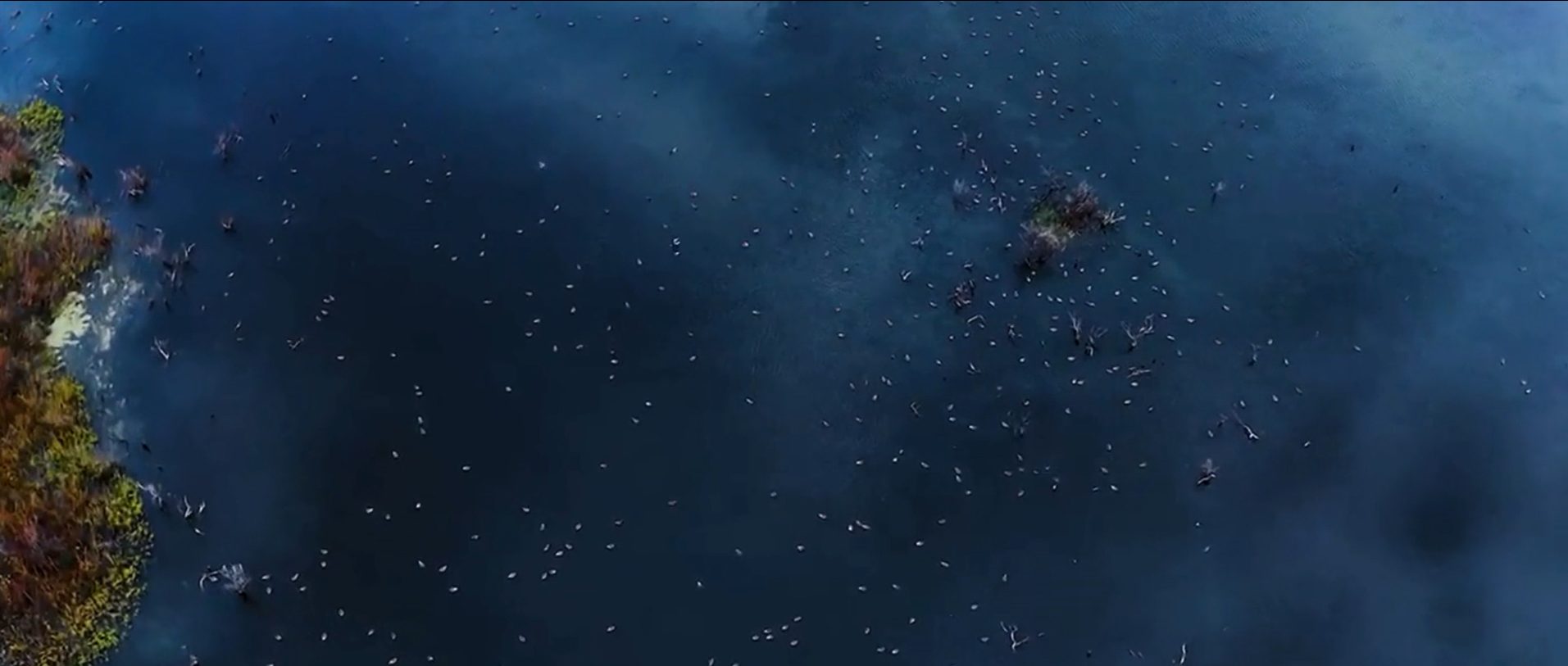
Arkansas rice fields can attract both ducks and geese, but seeing both species on a property does not automatically make it a good combination hunt.
Ducks may use the flooded portion while specklebellies feed on a drier edge. Snow geese may be in a neighboring field instead of the one the ducks prefer. Both can be present without offering workable shots from the same blind.
A productive mixed hunt starts with understanding where each species wants to be. Then you can decide whether one setup serves both or whether trying to hunt everything will weaken the hunt you actually have.
Scout Each Species Separately
Record where ducks land and feed, then do the same for geese. Do not combine them into one general bird count.
Pay attention to arrival times. Ducks may work early while goose traffic builds later, or the pattern may be reversed. Watch whether the two species actually use the same part of the field and whether both are comfortable near the available blind.
Species matters too. Specklebelly and snow goose hunting can require different approaches. A field receiving small groups of specks presents a different opportunity from one holding a large concentration of feeding snow geese.
Choose the Main Hunt Before Setting Decoys
If ducks are consistently using the flooded corner and geese occasionally pass overhead, build the setup around ducks. Goose decoys can support a secondary opportunity, but they should not crowd the duck landing area or pull attention toward an exposed blind.
If geese are the dependable opportunity, position the hunt around their preferred feeding area and treat ducks as a possible addition.
When both species are regularly using nearby portions of the field, a mixed setup may make sense. When their preferred locations are far apart, separate hunts can be the better decision. One blind cannot solve every field layout.
Put Each Decoy Group Where It Looks Natural
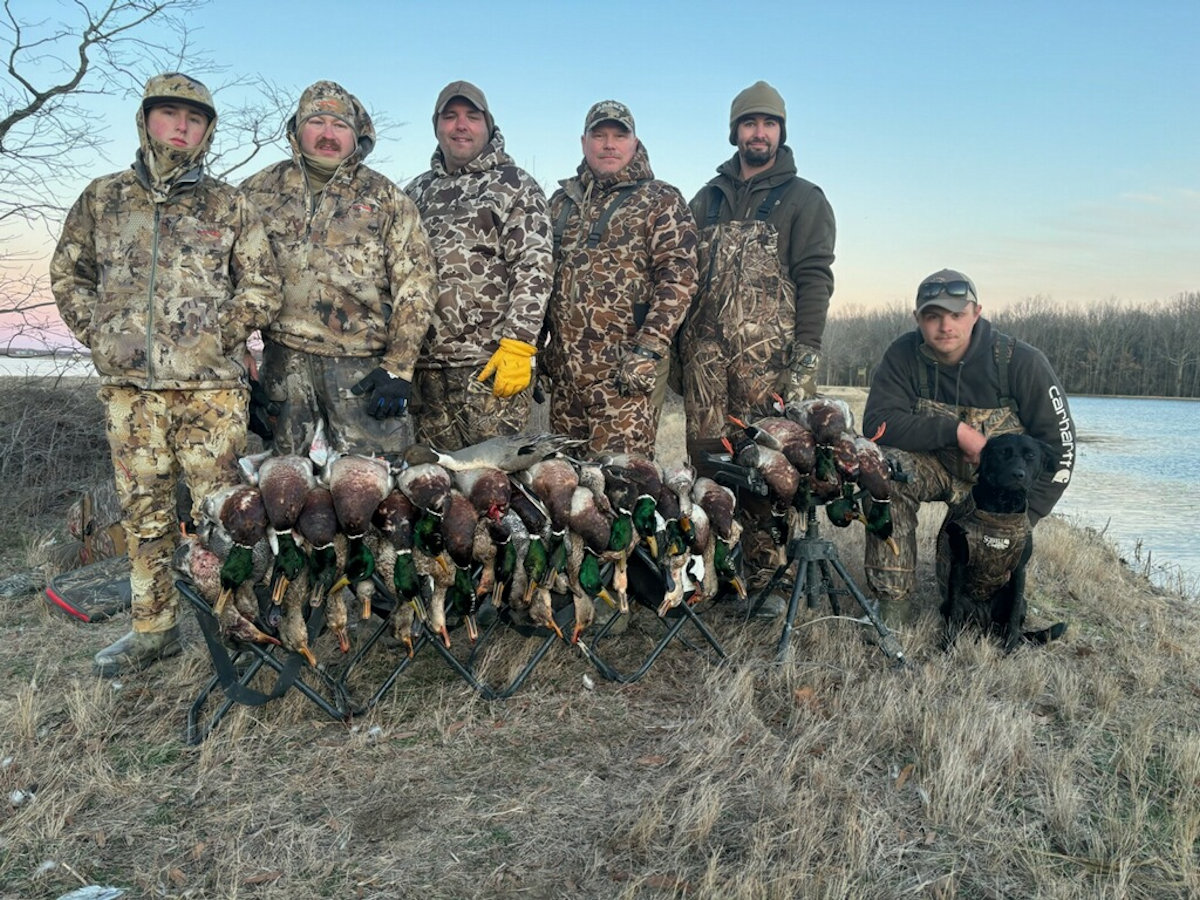
In a flooded field, duck decoys generally belong where ducks can land and use the water naturally. Goose decoys should reflect the feeding or resting behavior you observed, with attention to shallow areas and exposed ground where appropriate.
Avoid putting every decoy into a tight circle around the blind. Give the spread enough shape and separation for incoming birds to recognize usable landing areas.
Goose decoys can add visibility to a mixed spread, but visibility alone does not make the setup convincing. Their placement still needs to match the birds, the field, and the hunting position.
There is no single duck-to-goose decoy ratio that works everywhere. Use the species mix and flock sizes observed during scouting as a starting point, then watch how approaching birds respond.
Leave a Landing Area That Works With the Wind
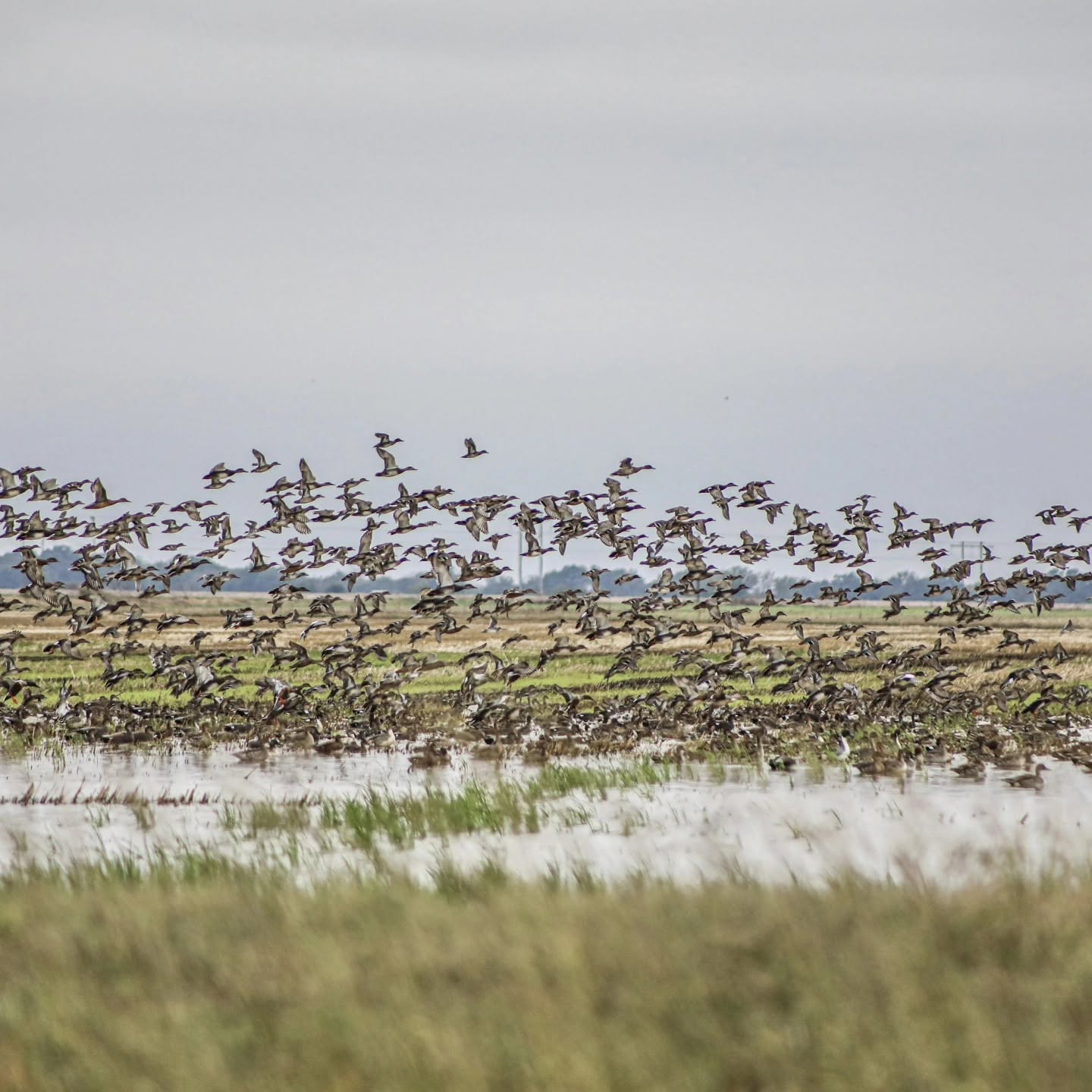
Both ducks and geese commonly make their final approach into the wind. Keep the preferred landing areas open and within a responsible shooting distance of the blind.
Do not fill those openings just to use every decoy you brought. A spread can attract birds and still make finishing difficult if the space they want is blocked.
Check the setup from the direction birds are likely to approach. Consider whether one decoy group forces birds over the blind before they can land or encourages them to finish beyond the hunters.
If the wind changes, reassess the landing openings and shooting lanes. A setup that worked at daylight can become awkward later in the morning.
Make Concealment Work for Both
Mixed hunting often means more gear, more calls, and more opportunities for movement. Keep equipment below cover and keep hunters concealed while birds are working.
Match the blind to the surrounding field. Break up its outline and pay attention to exposed faces, straight edges, and shadows. A spread that looks natural will not compensate for hunters moving every time a flock approaches.
If a second species begins working while the first is circling, communicate quietly. Everyone needs to know which birds are being worked and when to stay still.
Call to the Birds That Are Responding
Two species overhead do not require two callers going full volume at once.
Assign calling responsibilities and watch the birds’ reactions. If ducks are approaching well, unnecessary goose calling may add noise without helping. If specks are actively responding, let the goose caller work them while the rest of the group stays ready and concealed.
Use less calling when birds are already committed. If they turn away, determine whether calling, concealment, wind, or the landing area is the likely problem before adding more sound.
Adjust Motion Instead of Leaving It Running Automatically
Motion that helps attract ducks may not help every goose approach. Watch how geese react as they close the distance. If they repeatedly hesitate near an operating motion decoy, try shutting it down and compare the response.
Use motion as an adjustable part of the spread. Avoid assuming one setting will work for every species all morning.
Keep the Hunt Organized
Decide who gives the shooting command and identify safe shooting lanes before birds arrive. Duck and goose groups may approach from different directions, so hunters need a clear plan rather than making separate decisions at the same time.
Confirm species before taking a shot and track each hunter’s birds separately. Review the current Arkansas Game and Fish Commission regulations for the species and season you intend to hunt. Special snow goose conservation-order provisions should never be assumed to apply to a regular mixed duck and goose hunt.
Frequently Asked Questions
Talk With Us About Arkansas Waterfowl Hunts
Arkansas County Guide Service offers duck, specklebelly, and snow goose hunting options. Contact us to discuss the type of hunt you want and what is available. Mixed-species opportunities depend on current bird use and conditions; they should not be treated as a guaranteed part of every trip.