Waterfowl Tips & Tactics
How We Change Decoy Spreads for Pressured Arkansas Ducks
Arkansas County Guide Service • Hunting Pressure
Home / Waterfowl Tips / Hunting Pressure
Pressured ducks can show interest in a field without committing to the spread. They may stay high, work an outside edge, or leave after getting a better look. The useful question is what part of the approach keeps failing.
Changing the setup starts with observation. There is no dependable rule that every wary flock wants fewer decoys or that a larger spread always looks wrong. The goal is to show a believable group of birds in the right place, with an accessible landing opening and hunters that stay hidden.
Quick Takeaway
Check location and concealment first. Change spacing, the landing opening, motion, or calling based on repeated bird behavior—not simply because the calendar says late season.
Make Sure Pressure Is the Right Diagnosis
A slow field is not automatically holding educated ducks. Water, food, weather, and access to other habitat may have changed. Recheck current bird use before assuming the decoys are the only problem.
Watch whether birds settle elsewhere on the property and whether they remain comfortable there. If they have shifted locations, a change in hunting position may matter more than the number of decoys. Our article on early- and late-season duck hunting explains why habitat and pressure need to be considered together.
Check Concealment Before Changing the Count
Repeated hesitation near the blind deserves a close inspection of the hide. Worn brush, exposed faces, open doors, and movement do not disappear because you remove two dozen decoys.
Compare the direction birds use with the view into the blind. Light and wind can expose a different side as the morning progresses. Correct the obvious concealment issue before testing a new spread so you can understand what helped.
Match Group Size and Spacing to Current Bird Use
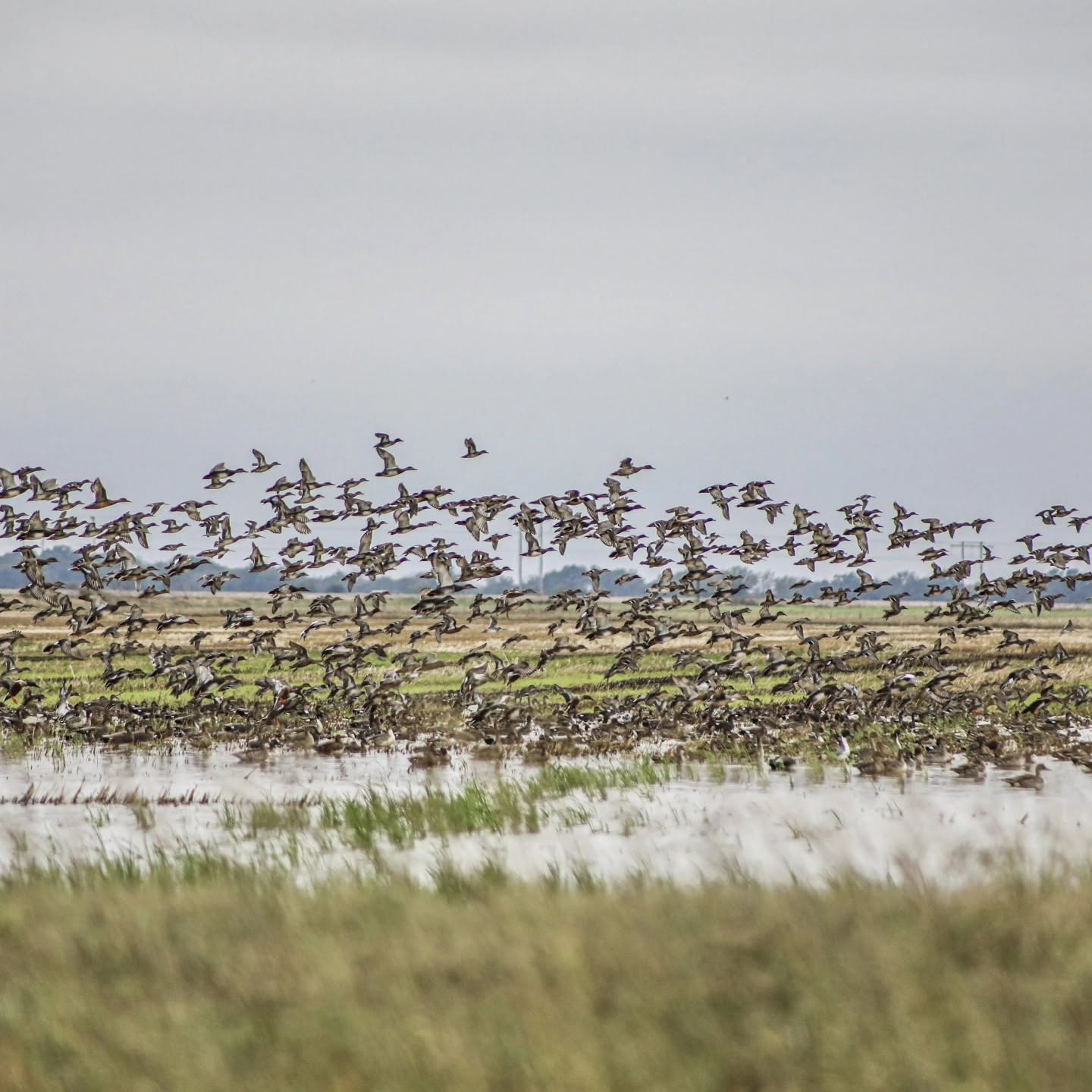
Use undisturbed birds as the reference. Scattered pairs and small groups suggest a different arrangement from a field receiving a concentrated feeding flight. A large spread can still work for pressured ducks, and a small one can still look unnatural.
If the presentation feels crowded, reduce the tightest cluster or spread it into smaller groups. Leave variation in spacing instead of making every decoy the same distance from its neighbors. Keep enough visible decoys to be noticed in the habitat you are hunting.
Make the Landing Opening Easier to Use
Watch where birds want to finish. If several flocks favor one corner, check that corner against wind, range, and concealment. Shift the pocket toward the preference when practical, or remove decoys that obstruct the entry.
Do not move the opening so far that birds finish beyond a responsible shooting distance. The purpose is a better approach into a usable area. Our article on reading working ducks helps distinguish a location preference from a nervous rejection.
Test Motion and Calling Separately
Motion can attract attention, but birds do not respond the same way every morning. If groups repeatedly hesitate near a spinning-wing decoy, switch it off and compare the next approaches. A calmer water-motion presentation may fit better, but judge that by the birds rather than assuming it must work.
Apply the same approach to calling. Notice whether a sequence turns birds toward the field or unsettles them as they get close. Give already committed birds room to finish. Testing one element at a time makes the result more useful than changing motion, calling, and every decoy together.
Sometimes the Field Needs Rest
Repeated shooting and activity can make birds avoid a property even when the spread is well arranged. If a concentration stops settling comfortably, another morning of hunting may compound the problem.
Rest and rotation should follow scouting, available properties, weather, and the way birds return. A new migration can change the opportunity, but it does not excuse ignoring current behavior. Read how we manage self-guided fields and how we handle hunting pressure for the field-management side of the decision.