Early Season vs. Late Season Duck Hunting in Arkansas
Arkansas County Guide Service • Waterfowl Hunting
An Arkansas duck field can hunt very differently near the beginning of the season than it does toward the end. Water changes, cover wears down, birds move, and hunting pressure accumulates.
That does not mean early season is always easier or late season always holds more ducks. A fresh migration can improve hunting at either point, and a familiar field can go quiet in either period.
The useful comparison is how your scouting and setup need to change. Around Stuttgart and the Arkansas Grand Prairie, the calendar provides a starting point. Current bird use tells you what to do with it.
Early Season: Find the Water and Food Birds Are Using
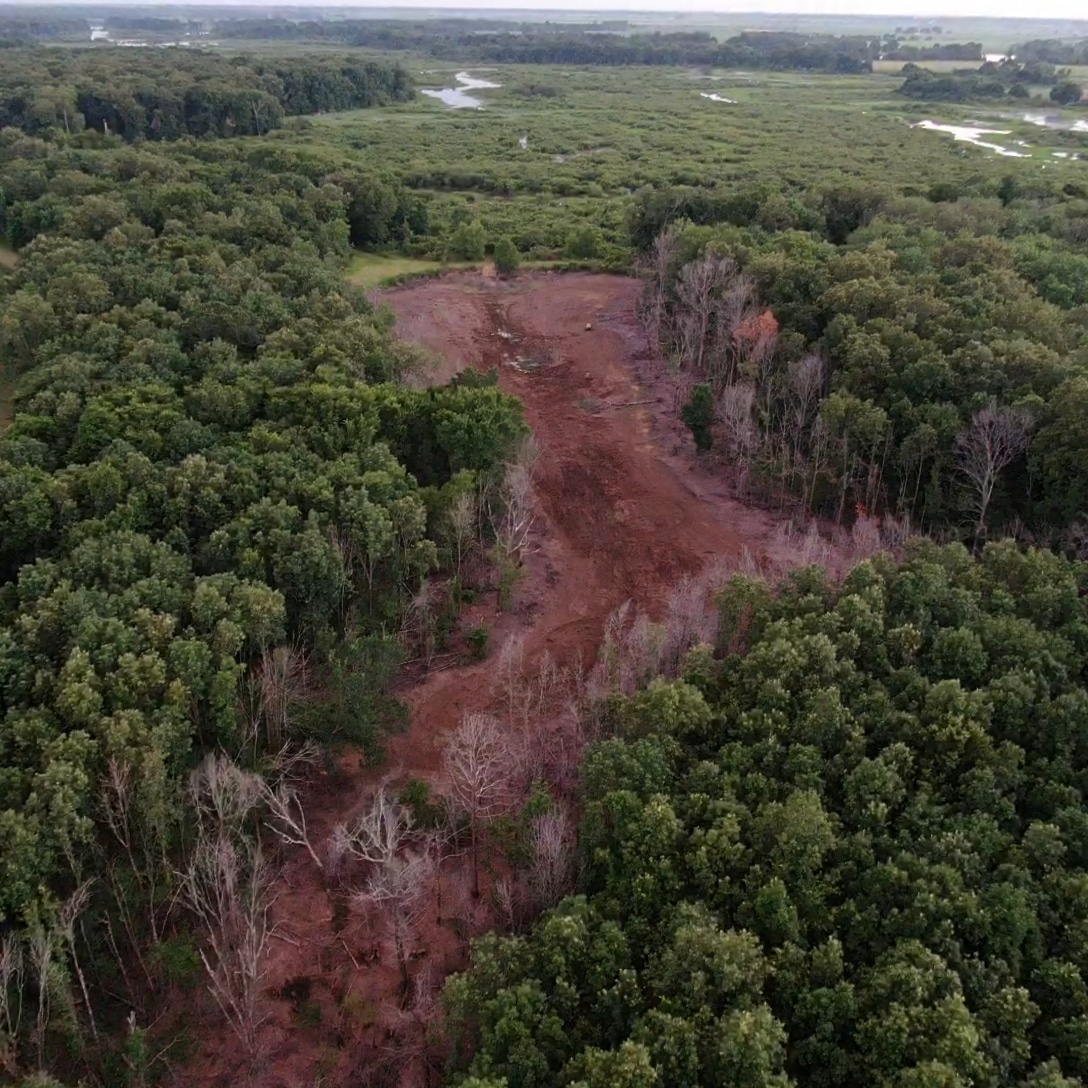
Near the beginning of the regular duck season, available water can strongly influence where birds concentrate. Harvest progress, rainfall, and flooded acreage help shape the opportunities.
A field that was productive last year may not yet have the same water or accessible food. Another field may become attractive because its conditions are ready sooner.
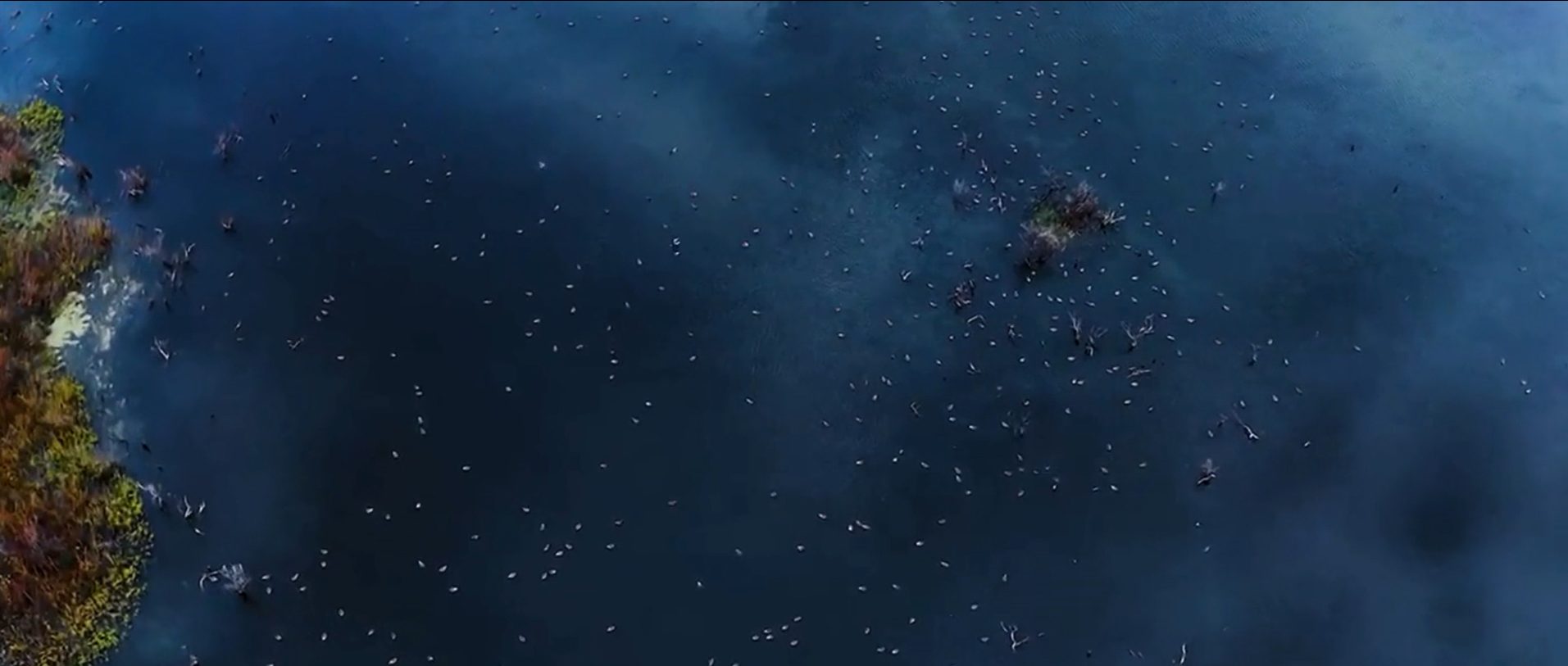
Scout the ground as it exists now. Look for ducks settling, feeding, and returning rather than choosing a blind from last year’s results alone.
Early season can also bring mild weather. Ducks do not always need to move as much or feed on the schedule hunters expect. If birds are using a field later in the day, that is information worth keeping instead of assuming every good field must produce a heavy dawn flight.
Late Season: Watch Pressure and Habitat Changes Together
As the season progresses, birds that remain in an area may become familiar with hunting activity. Repeated traffic, shooting, and exposed blinds can make the same property less comfortable.
At the same time, the habitat changes. Food availability, water depth, rainfall, and freezing conditions can shift where ducks want to spend their time.
Do not blame every slow late-season hunt on educated birds. Check whether the field still offers what it did earlier. Ducks may be using another area because its water and feeding conditions are better.
Our article on self-guided field management explains why rest and rotation need to follow bird behavior instead of a fixed schedule.
Concealment Needs Attention All Season
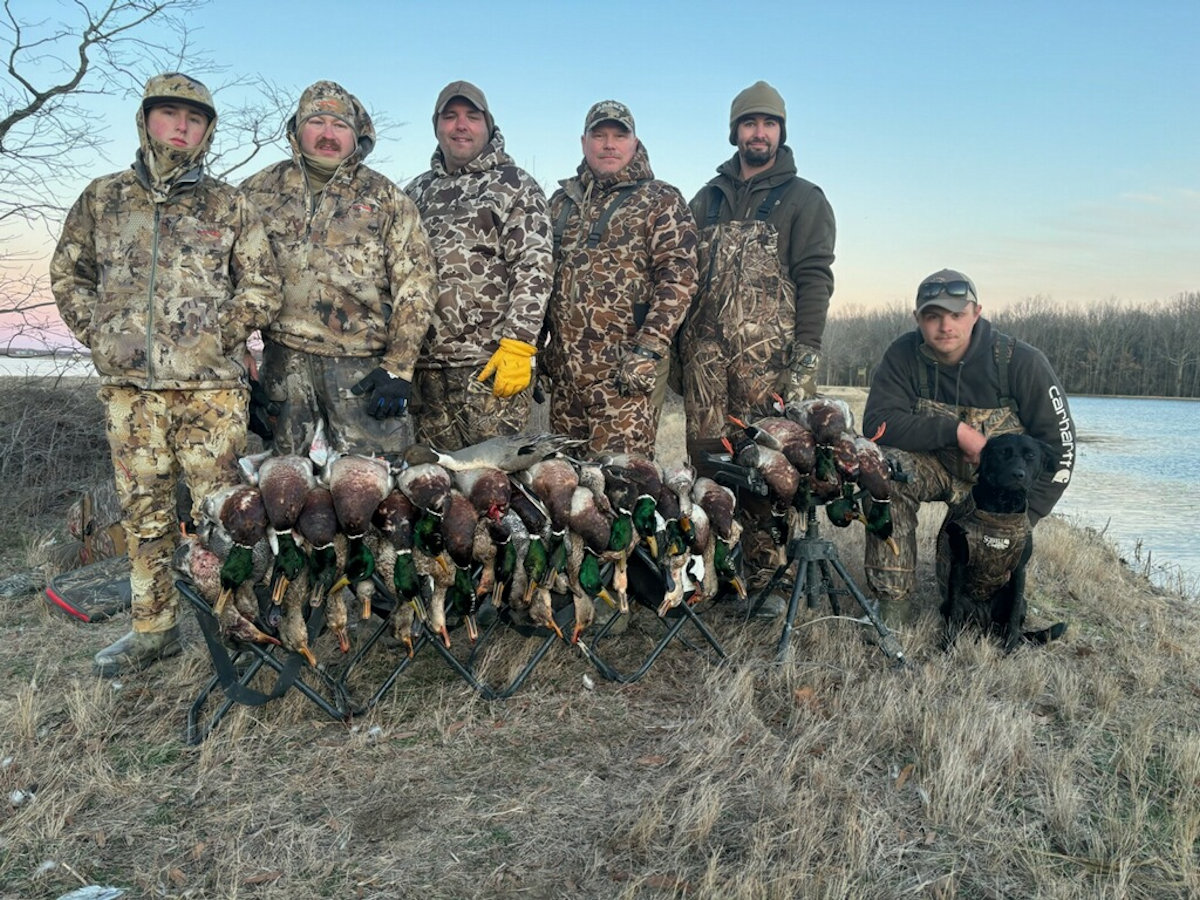
A freshly prepared blind is a starting point, not a season-long solution. Brush settles, vegetation changes color, and hunters can flatten cover around entrances and shooting openings.
Check the blind after weather and repeated use. Pay attention to the top and sides as well as the front. The view birds have while circling is different from what hunters see while standing beside it.
Late season often exposes problems that were less obvious earlier: a hard outline, missing cover, an open doorway, or hunters who move too soon. Fix those issues before trying to solve everything with a different decoy spread.
For more on preparing the whole setup, read our preseason waterfowl preparation article.
Change Decoys Based on the Response
Early-season ducks are not guaranteed to accept a large spread, and late-season ducks do not always require a small one.
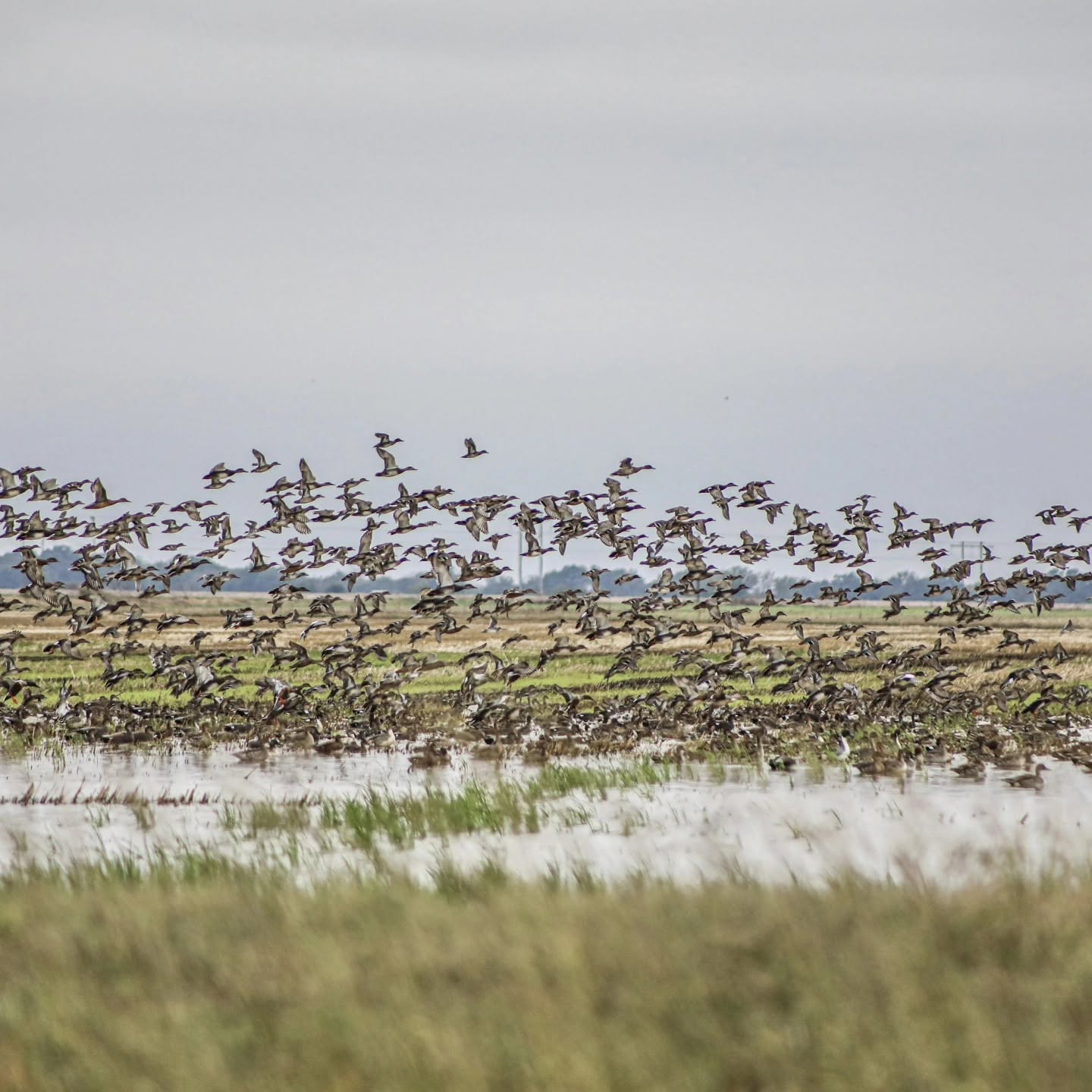
Use the number and distribution of real birds as your starting point. A field holding scattered small groups suggests a different presentation from a field receiving a substantial feeding concentration.
Then watch the approaches. If ducks repeatedly work one edge, move the landing area toward that preference when access and concealment allow. If they seem interested but avoid a particular motion decoy, change that element and observe again.
Make deliberate adjustments. Moving the entire spread, changing every call, and altering motion at once makes it harder to understand what helped.
Calling Becomes a Matter of Reading the Birds
Calling decisions should follow the ducks’ response throughout the season.
Some groups need help noticing the field. Others have already chosen it and need room to finish. Birds that turn toward a call may respond to another short sequence; birds that become unsettled may need less sound.
Late-season pressure can make restraint especially useful, but silence is not an automatic answer either. Watch the birds and let the caller adjust to the group in front of the blind.
Cold Weather Changes the Hunt, but Does Not Guarantee It
A cold front can change migration and feeding activity. It can also freeze shallow water, alter access, or push birds toward other available habitat.
After a significant weather change, scout again. Yesterday’s concentration may have moved, and a field that was slow may now receive new birds.
Plan for the conditions hunters will face as well. Late-season trips may require warmer clothing, spare dry layers, and more attention to ice and difficult access. Early trips can still turn cold, so use the forecast rather than the month to finish your packing list.
Early and Late Season Compared
| Part of the hunt | Early season considerations | Late season considerations |
|---|---|---|
| Scouting | Locate usable water and current feeding concentrations | Recheck bird use after pressure, habitat changes, and weather |
| Concealment | Confirm the prepared blind matches the field | Repair worn cover and account for vegetation changes |
| Decoys | Match the birds currently using the property | Adjust to current flock patterns and observed reactions |
| Calling | Read each group’s interest and commitment | Watch for hesitation and avoid automatic overcalling |
| Field management | Protect promising concentrations as they build | Balance rest, new arrivals, and repeated hunting activity |
| Trip preparation | Pack for the actual forecast and access conditions | Prepare for greater potential for cold, ice, and wet gear |
Which Part of the Season Should You Book?
Choose dates around the type of hunt you want, your schedule, and your tolerance for weather. Ask the outfitter about available hunt options and how current conditions affect them.
There is no dependable calendar date that guarantees the best duck hunting every year. Early trips can be excellent when birds and habitat line up. Late trips can offer strong opportunities when migration, weather, and managed ground cooperate.
If you are flexible, discuss that flexibility when booking. If your dates are fixed, focus on being prepared and choosing an operation that scouts and adjusts throughout the season.
Frequently Asked Questions
Plan Your Arkansas Duck Hunting Trip
Arkansas County Guide Service offers guided and self-guided waterfowl hunts around Stuttgart and the Arkansas Grand Prairie. Contact us to discuss dates, hunt options, and availability. Check the current Arkansas Game and Fish Commission information when planning around season dates and requirements.