BEHIND THE HUNT • ARKANSAS DUCK HUNTING
Preseason Waterfowl Prep For Duck & Goose Season In Arkansas
Duck season doesn’t start on opening morning. Long before hunters climb into a blind, our guides are working fields, checking blinds, brushing cover and getting everything ready for another Arkansas waterfowl season.
Most hunters see a duck blind for the first time when they climb into it before daylight. We see it months before that. Getting ready for an Arkansas duck season involves a lot more than throwing some brush around a blind the week before opening day. We are checking fields, looking at what changed since last season, repairing blinds, working on access and figuring out how each setup needs to hunt when the birds finally get here.
After doing this for more than twenty years, you learn that the little things you take care of before the season can make a big difference when there are ducks over the decoys. Our goal is simple: when the birds arrive, we want the hunting ground ready for them.
Every Field Gets Looked at Again
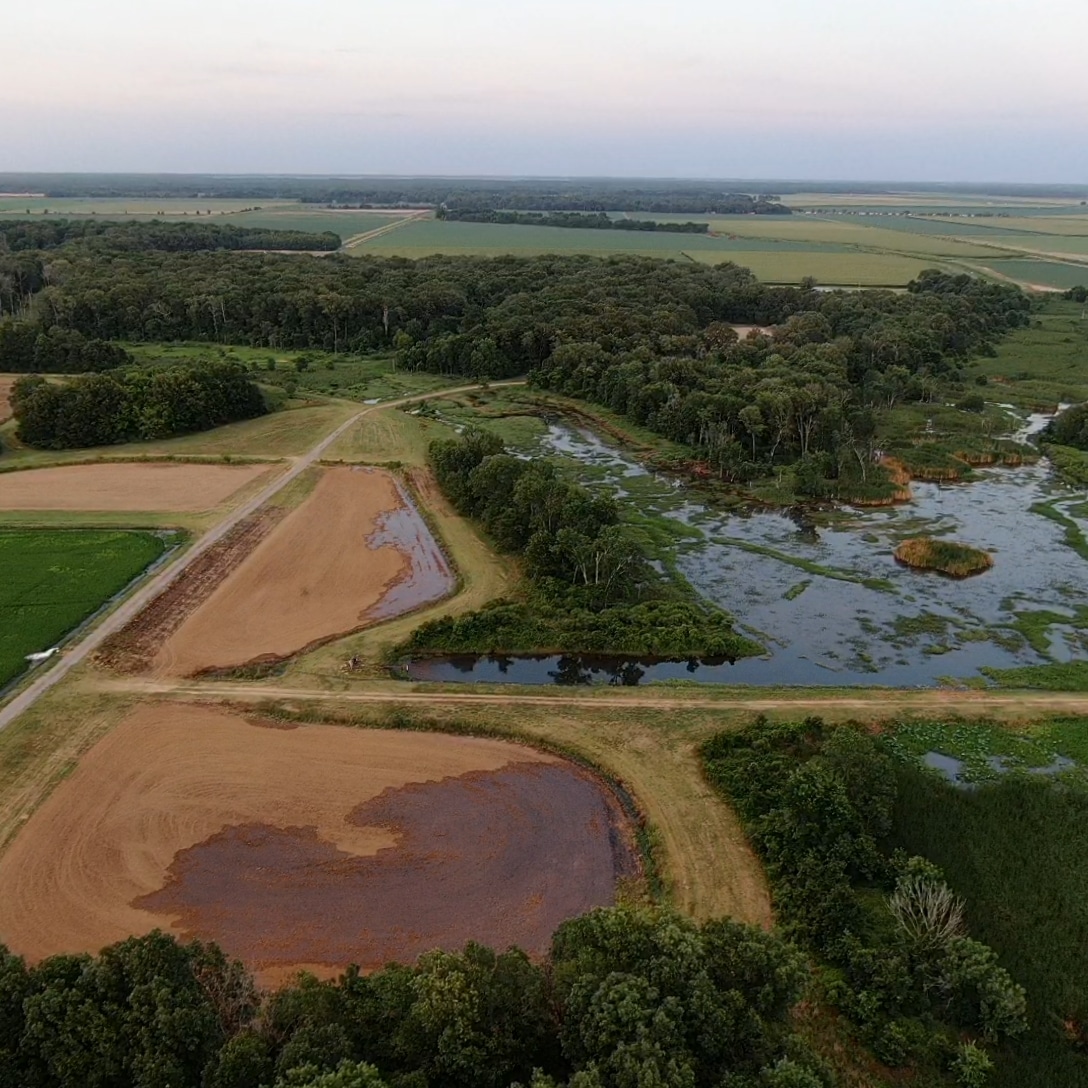
Just because a blind hunted well last year does not mean we automatically set everything up exactly the same way this year. Fields change. Cover changes. Water changes. Farming practices can change. A levee may look different. Vegetation grows up around a blind. Something that gave us great concealment last year may be gone this season.
And we remember how the birds worked the field. Maybe ducks consistently wanted one side of the blind. Maybe we fought the sun at a certain time of morning. Maybe birds kept trying to finish behind us instead of where we expected them.
Those are things you remember when you hunt the same Arkansas ground year after year. Before the season, we get another look at everything and decide what needs attention.
“We’re not just getting a blind ready for hunters. We’re trying to make the whole setup look right to a duck looking at it from a hundred yards up.”
Brushing a Duck Blind Is About Breaking Up the Blind
One of the biggest jobs before duck season is brushing blinds. A blind can look pretty well hidden while you are standing beside it and look completely different from the air. Ducks do not see the blind from our perspective. They are looking down at it while circling the field, and pressured birds are especially good at finding something that does not belong.
That is why brushing isn’t just about covering the front of a blind. We want to break up straight lines, hard corners and anything else that makes the blind stick out from the surrounding cover. Whenever possible, we want the blind to look like it belongs in that field instead of looking like something we just put there.
We Want the Blind to Become Part of the Field
There is another advantage to getting blind work done before the season instead of waiting until the last minute. Everything has time to settle in. Freshly cut brush changes. Grass lays down. Vegetation around the blind changes. Weather works on everything. By the time ducks are regularly using the field, we would rather have that blind looking like it has been sitting there all along.
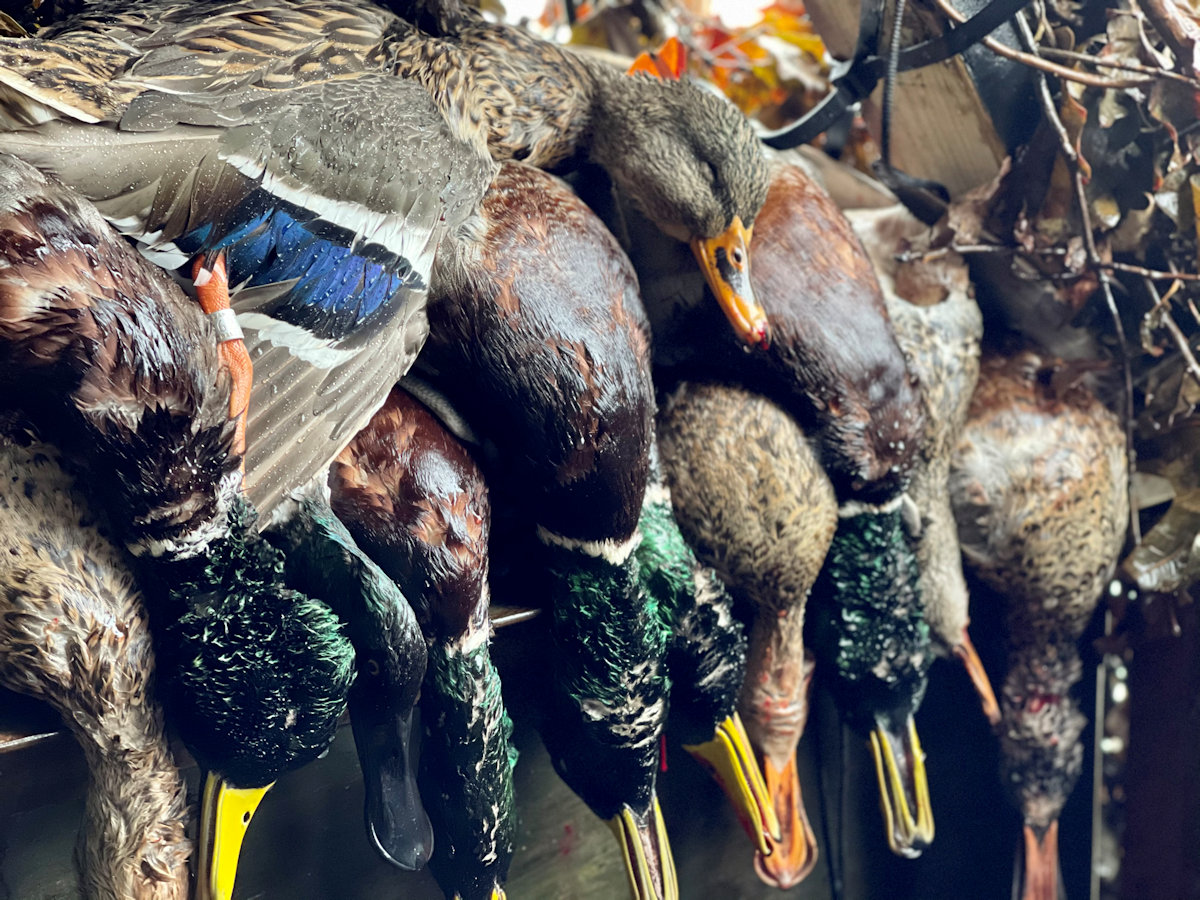
That becomes even more important as the Arkansas season progresses. A fresh group of migrating ducks may not pay much attention to something that looks slightly out of place. A mallard that has been shot at from Canada all the way down the flyway may give you a completely different opinion.
We Think About How the Blind Will Actually Hunt
Concealment is only one part of preparing a blind. We also have to think about how the setup is going to hunt.
- Where are the ducks most likely to come from?
- What happens with a north wind?
- How does the blind hunt on a south wind?
- Where do we want birds to finish?
- Where is the sun going to be after daylight?
- Is there enough room in front of the blind for ducks to finish naturally?
Experience from previous seasons gives us a pretty good idea of how birds normally want to use certain fields, but you still have to prepare for different conditions. There is nothing worse than having ducks in the field and realizing your setup is fighting what the birds naturally want to do.
Access Is Part of Field Preparation Too
The blind gets most of the attention, but getting hunters to and from it matters too. Before the season we are looking at roads, levees and the routes we’ll use with trucks, ATVs, UTVs or boats depending on the property. Arkansas duck hunting means dealing with water and mud.
Something that is easy to get across when it is dry can become a completely different situation after a field is flooded or several inches of rain come through. Good access also helps us reduce unnecessary disturbance. The less driving around and unnecessary activity we have around birds once the season gets going, the better.
Water Changes Everything
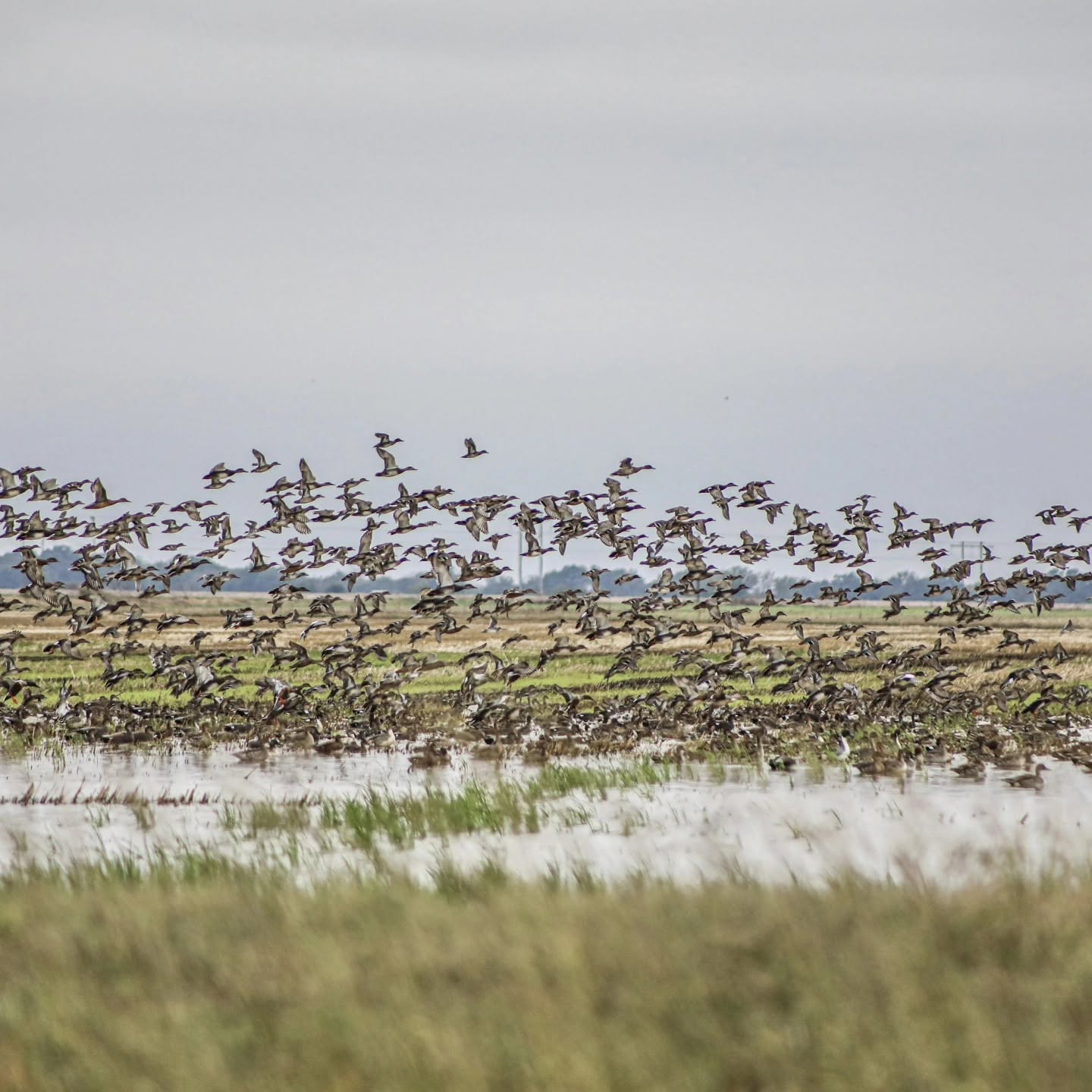
You can prepare a blind perfectly, but at the end of the day this is waterfowl hunting. Water matters. As fields begin holding water, we start getting a much better picture of how a property is actually going to set up.
Small changes in elevation can create shallow feeding areas. Water depth can change where birds want to land. Areas that did not look particularly important while dry can suddenly become exactly where ducks want to be.
And then you have weather. Rain can change things. Cold weather can change things. Water levels can change throughout the season. Field preparation gets us ready. Scouting tells us how the ducks actually use what we prepared.
Last Season Helps Us Prepare for This Season
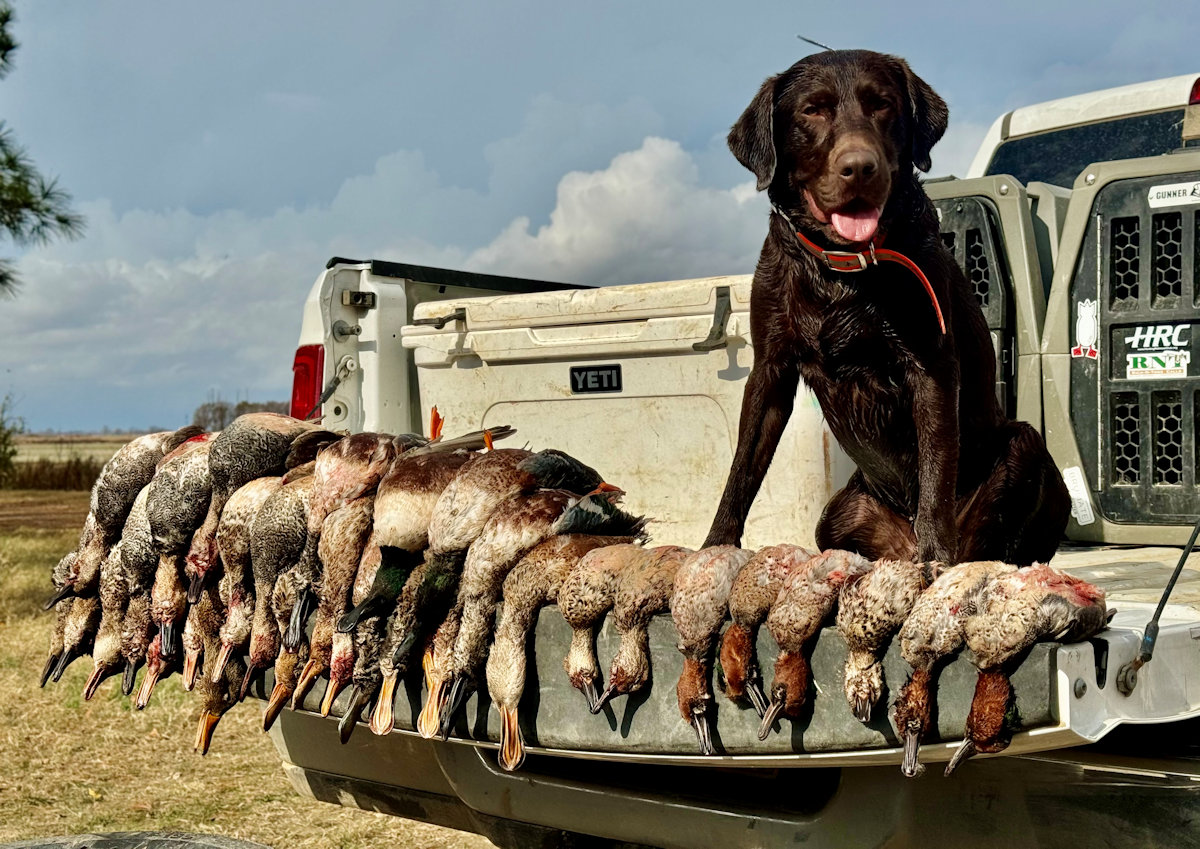
One advantage of hunting the same country for a long time is that every season teaches you something about the next one. We remember blinds where birds consistently finished well. We remember setups where ducks wanted to land somewhere else. We remember where concealment gave us trouble and where hunters needed a better shooting opportunity.
You do that long enough and you build up a pretty good history on a piece of ground. That does not mean ducks will do exactly the same thing every year. They won’t. But experience gives you a starting point. Instead of guessing how a field might hunt, we can combine what we learned in previous seasons with what the property looks like right now.
Field Preparation Doesn’t End on Opening Day
This is probably one of the biggest misconceptions about preparing duck hunting ground. You do not finish everything before opening day and forget about it until January. Blinds need attention during the season. Weather knocks brush down. Hunters move things. Water levels change. Vegetation dies back. What looked hidden in November may stick out like a sore thumb a month later.
And the ducks change. Birds that have been in Arkansas for several weeks can become much more particular about what they will tolerate. If we start seeing birds consistently flare from a blind or finish somewhere they weren’t finishing earlier, we pay attention. Sometimes the blind needs more brush.
Sometimes the setup needs to change. Sometimes the field needs rest. The work continues all season.
The Work Hunters Usually Don’t See
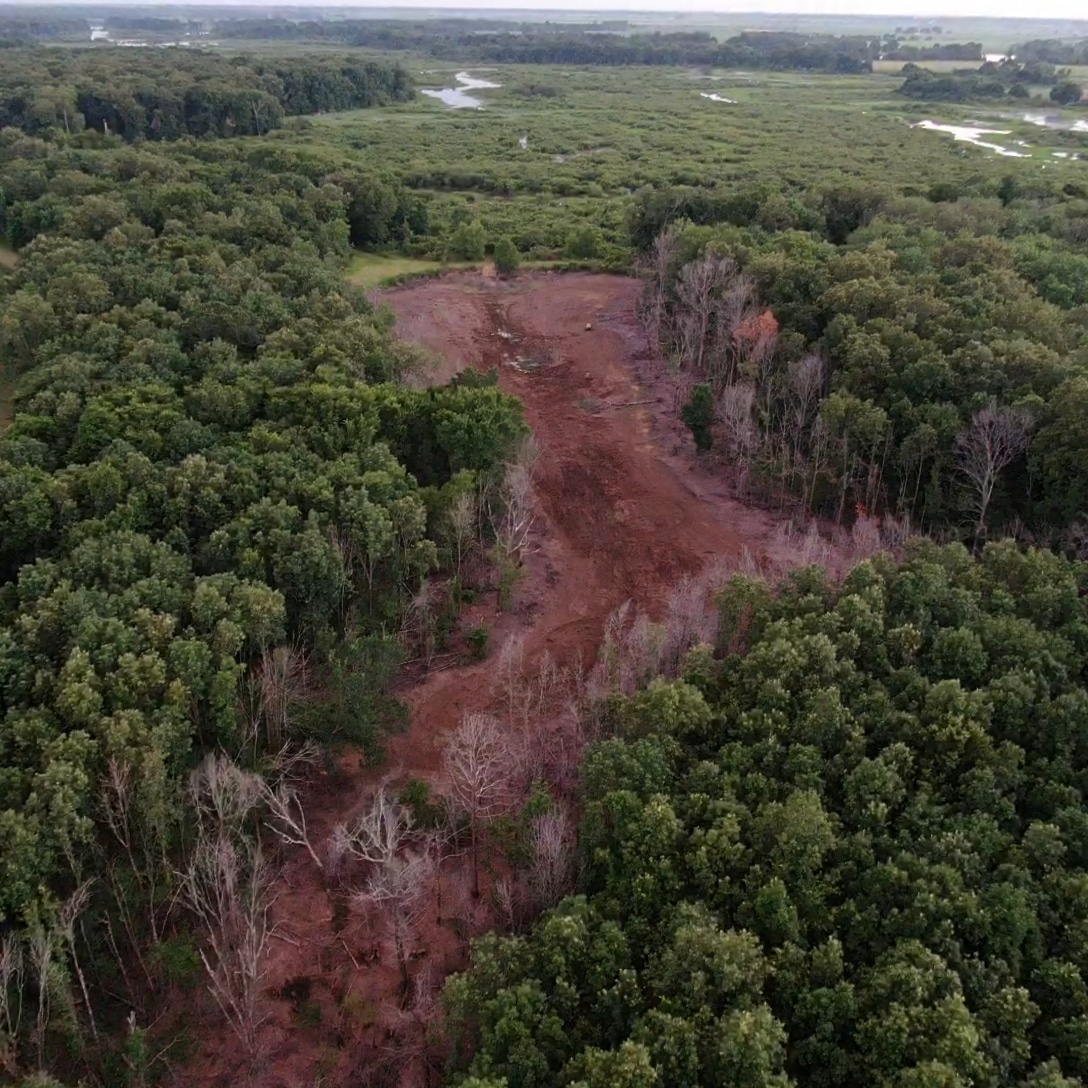
Most of this work happens when nobody is watching. There are no ducks falling into the decoys. Nobody is taking hero pictures. It is guides hauling brush, fixing things, checking fields and spending days getting everything ready for a season that hasn’t started yet.
But that is a big part of running a waterfowl operation. When somebody shows up in Arkansas for a three-day duck hunt, we don’t want to start figuring things out after they arrive. The blind should already be ready. The access should already be figured out.
The field should already have been looked at. Once the birds arrive, our attention needs to turn toward scouting them and managing where we’re hunting.
“Opening morning might be the first day of duck season for the hunter. For a guide, the season started a long time before that.”
Why Preparation Matters Once the Ducks Arrive
There is no amount of preparation that guarantees ducks are going to cooperate. Anybody who has hunted them long enough knows better than that. What preparation does is eliminate problems we can control. We can control whether a blind is brushed.
We can control whether the blind is ready to hunt. We can think ahead about wind and where birds should finish. We can maintain access. We can watch water conditions. And once ducks begin arriving, we can scout how they are actually using the property and make adjustments.
That’s really what twenty-plus years of Arkansas duck hunting teaches you. Take care of everything you can control before daylight. Then pay attention to what the ducks tell you after the sun comes up.
Arkansas Duck Hunts
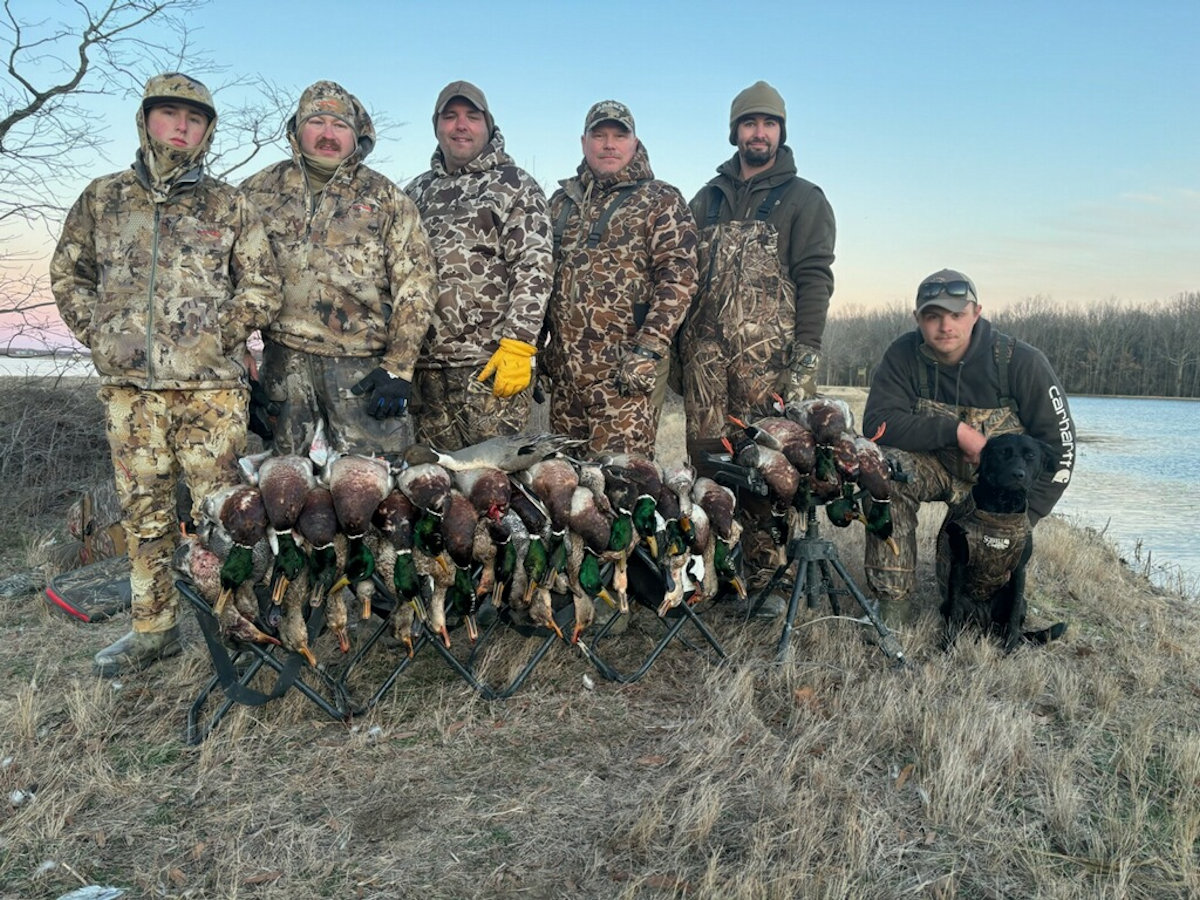
The preparation starts before the birds arrive. Once they do, our guides scout and adjust around where the ducks actually want to be.
Self-Guided Arkansas Duck Hunts
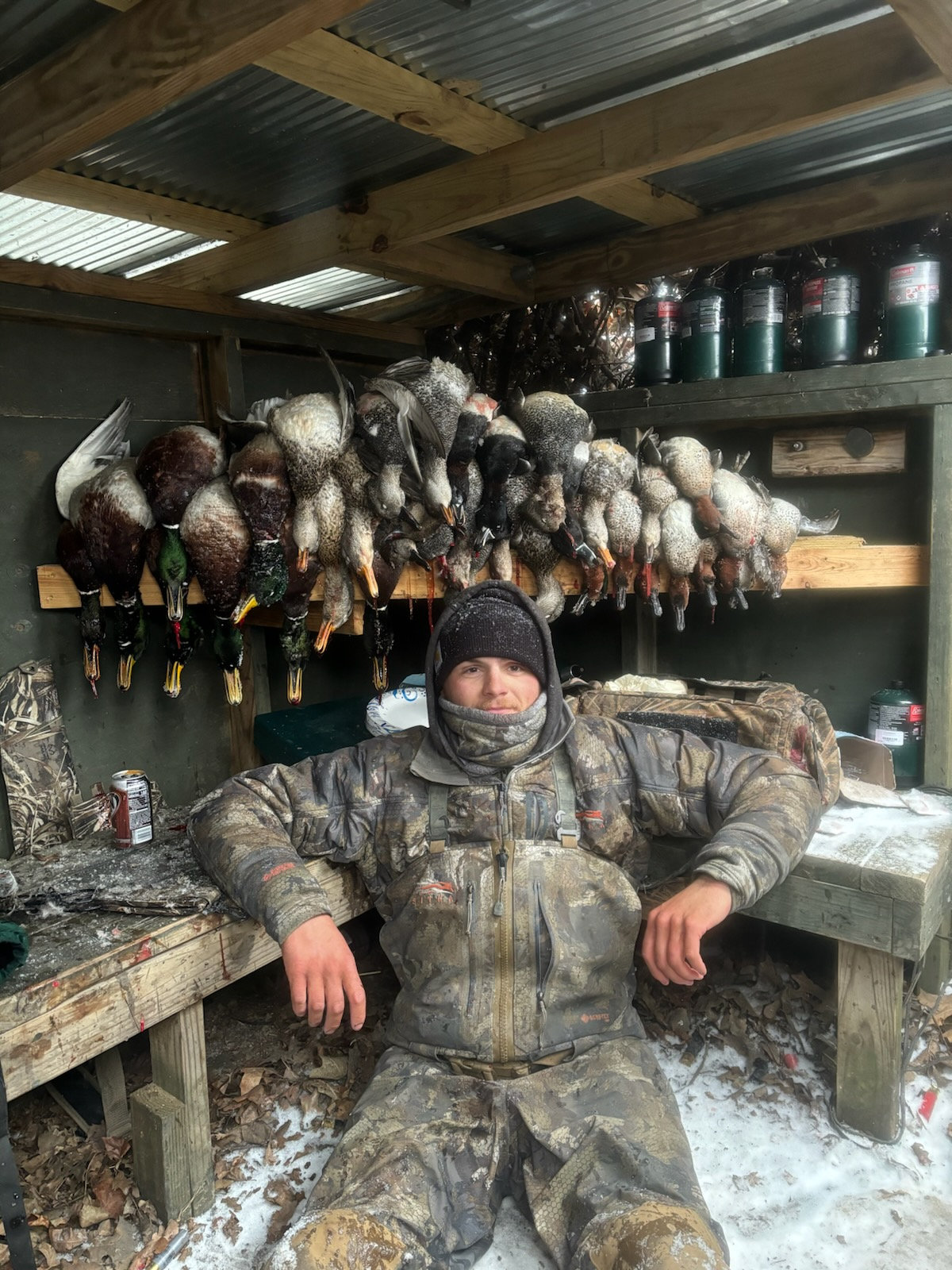
Hunt managed private ground while running your own decoys, calling and setup. Our self-guided fields are watched, rotated and rested throughout the season.
Planning an Arkansas Duck Hunt?
Have questions about guided hunts, self-guided fields, lodging or availability? Talk with Arkansas County Guide Service about planning your hunt.