
ARKANSAS DUCK HUNTING • SELF-GUIDED FIELD MANAGEMENT
How We Rest Our Self-Guided Duck Fields in Arkansas
Keeping birds comfortable on a property is not complicated, but it does take discipline. Here is how we rotate, rest, scout and manage our self-guided duck fields so they continue producing throughout the Arkansas season.
Most experienced duck hunters already understand why a field needs rest. Hunt the same birds too hard, too often, and sooner or later they figure out where the pressure is coming from.
The more important question is how you actually manage that pressure across an entire season.
That is where years of guiding and watching birds every day starts to matter. Resting a self-guided field is not simply leaving it alone for a day and hoping ducks pile back in. It is a constant process of watching bird numbers, hunting pressure, weather, migration, water conditions and how the birds are actually using the property.
At Arkansas County Guide Service, we manage our self-guided fields with one goal in mind: keep birds wanting to come back.
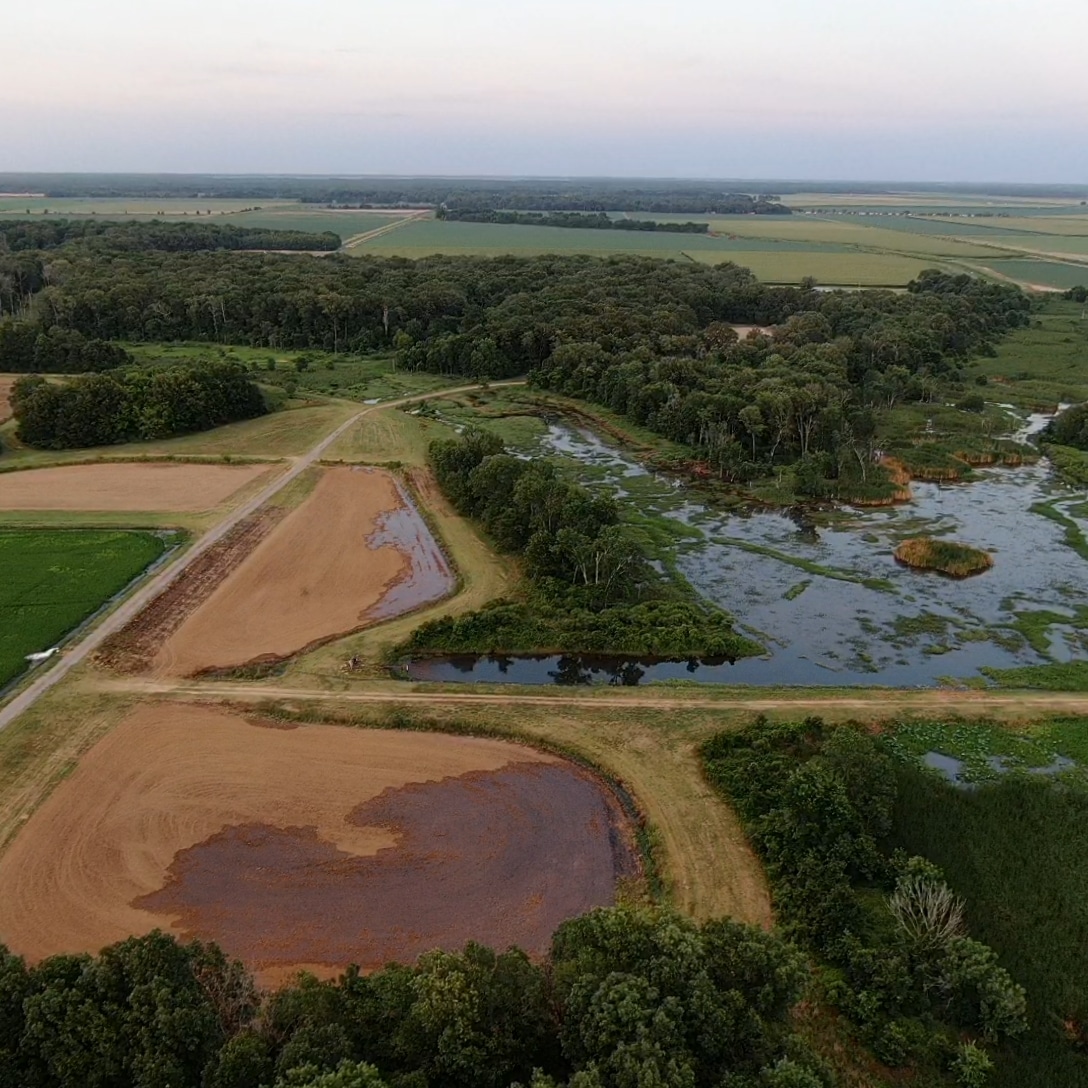
We Do Not Treat Every Field the Same
One of the biggest mistakes a hunter can make is assuming every field can handle the same amount of pressure.
They cannot.
Some fields may hold a strong concentration of birds and recover quickly after being hunted. Another field may look just as good on paper but only have a smaller group of ducks using it, and those birds may move after one hard morning.
We pay attention to how many birds are using a field, when they are arriving, how long they are staying and whether they are feeding, loafing or simply stopping through.
A field being full of ducks one afternoon does not automatically mean it needs to be hunted the next morning. Sometimes the best decision is to leave those birds alone and let the number continue to build.
“The goal is not to hunt a field every time birds show up. The goal is to manage it so birds continue wanting to use it.”
We Rotate Pressure Across Multiple Fields
Rotation is one of the biggest advantages we have.
When you have access to multiple self-guided fields, you do not have to force a hunt simply because one property held birds yesterday. We can move hunters around and give productive fields time to settle back down.
That rotation may mean a field gets hunted and then sits untouched for several days. Other times weather or a new migration may allow a field to recover faster.
There is no magic number of days that works every time.
Cold fronts, wind, new birds and hunting pressure on surrounding properties can completely change how quickly ducks return. That is why we do not manage fields off a fixed calendar. We manage them based on what the birds are telling us.
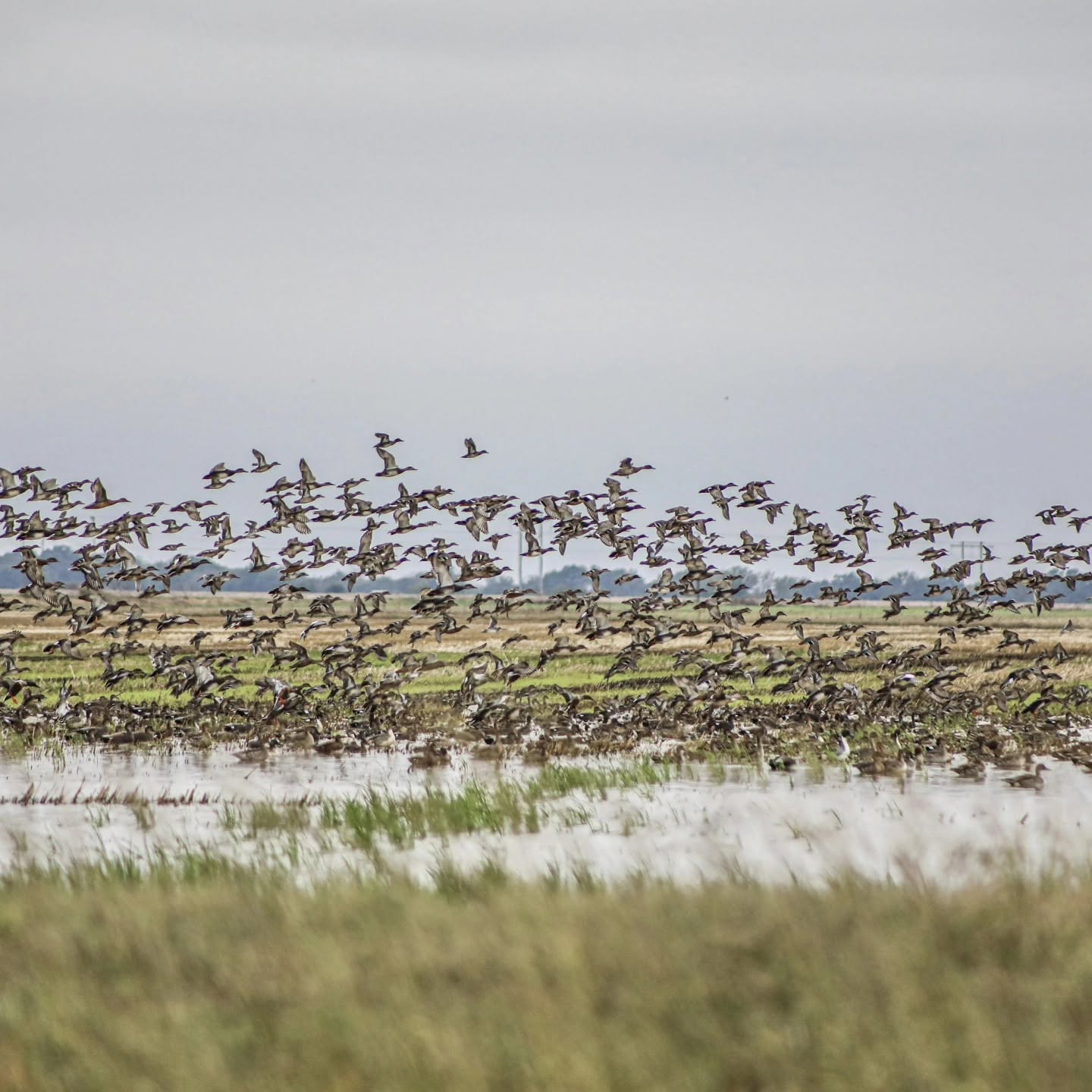
Scouting Tells Us When a Field Is Ready Again
Resting a field only works if you know what is happening while nobody is hunting it.
That is why scouting is such a big part of our operation.
We watch the fields and pay attention to whether birds are coming back naturally. A field that begins rebuilding from a few dozen ducks to several hundred is telling us something very different than a field where only a handful of birds are trickling in.
We also look at how comfortable those birds appear.
If ducks are landing freely, feeding, loafing and staying in the field, that tells us the pressure has come back down. If they are circling high, touching down briefly or leaving as soon as something changes, the field probably needs more time.
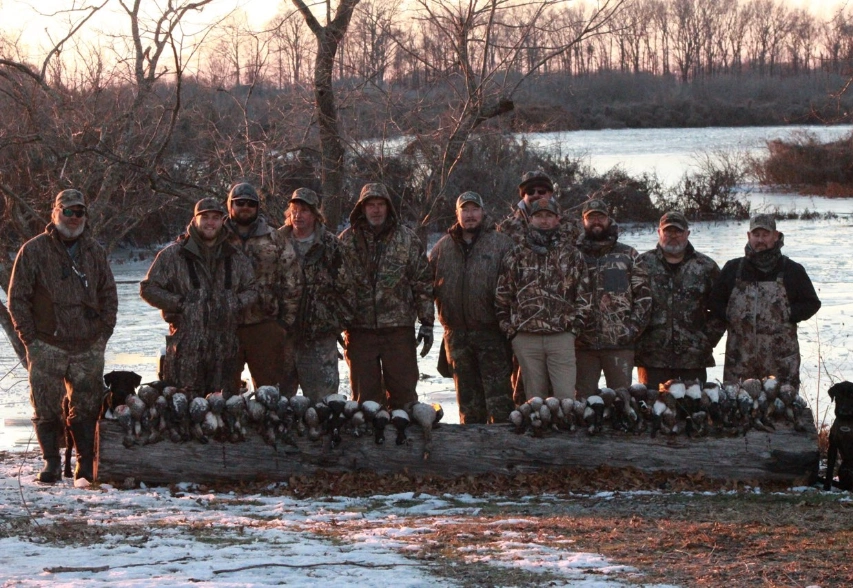
Sometimes the Best Hunt Is the One We Do Not Make
This is the part of field management that is hardest for people to understand until they have managed hunting ground for a long time.
There are mornings when you could put hunters in a field and probably kill some ducks.
That does not necessarily mean you should.
If a field is building birds and we believe another day or two of rest could turn an average hunt into a very good hunt, we would rather protect that opportunity.
Short-term pressure can cost you several days of future hunting if the birds decide they no longer feel comfortable there.
That is especially important with self-guided fields because the goal is not just to provide access. The goal is to provide access to ground that has been managed correctly before the hunters ever arrive.
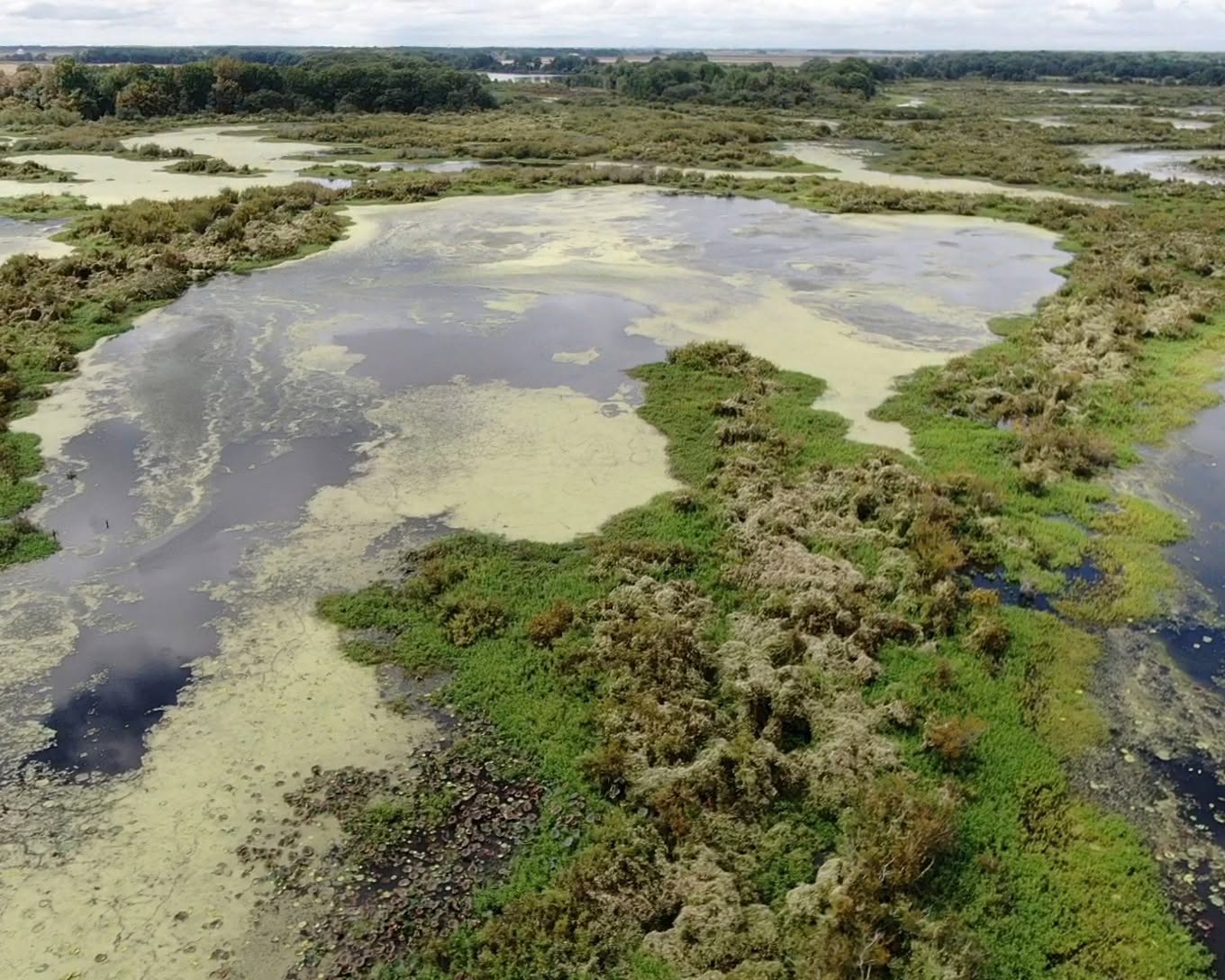
Weather Can Reset a Field Overnight
Arkansas duck hunting can change fast when a front comes through.
A field that looked slow yesterday may suddenly fill with new birds after a strong north wind. On the other hand, a field that had been holding ducks consistently may empty out when birds move to another food source or another area.
That is another reason we avoid rigid rotation schedules.
A fresh migration can sometimes make yesterday’s hunting pressure almost irrelevant because the ducks using the field today may not be the same ducks that were there two days ago.
Good field management means being willing to adjust when the migration changes.
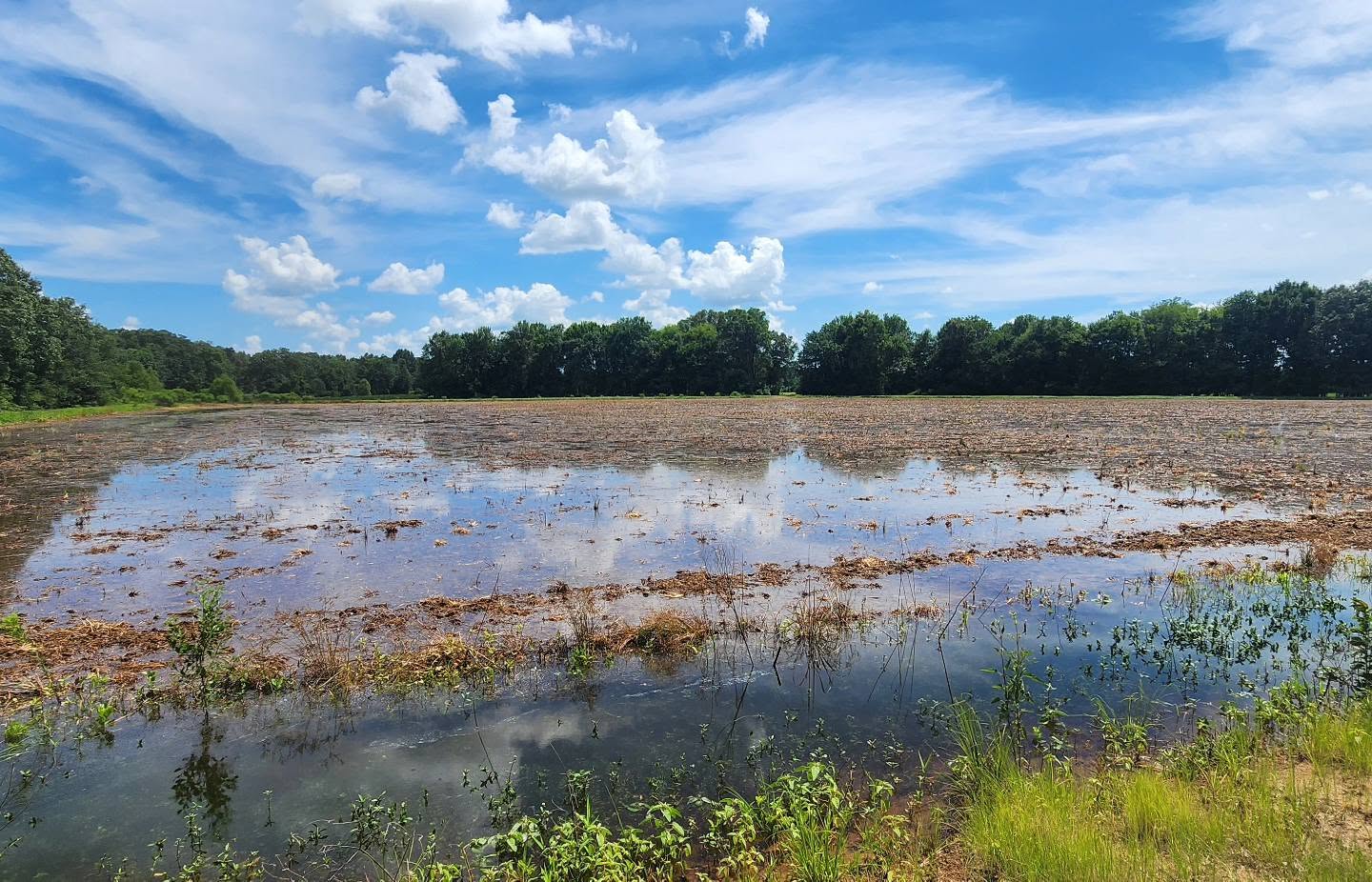
We Pay Attention to More Than Duck Numbers
Bird count matters, but it is only part of the picture.
We also watch:
- How the ducks are entering the field
- Where they want to land
- Whether they are feeding or loafing
- How long they stay in the field
- Wind direction and strength
- Water depth and available food
- Pressure from neighboring properties
- Whether the birds appear to be local or newly migrated
Those details help determine whether a field should be hunted, rested longer or approached differently the next time hunters go in.
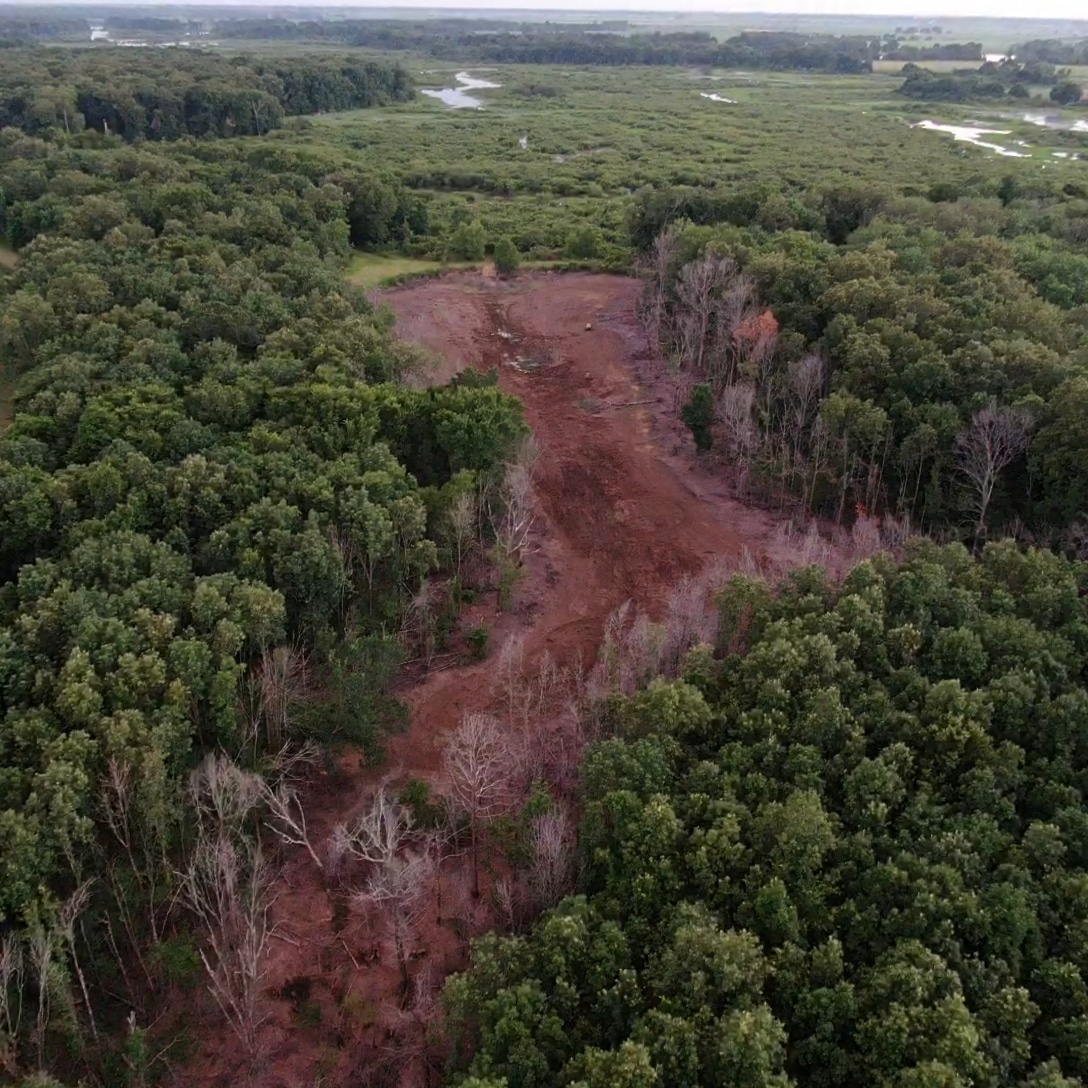
Why Resting Self-Guided Duck Fields Still Matters
The reason for resting duck fields is simple: ducks respond to pressure.
Repeated shooting, vehicles, hunters walking levees, decoy setups and general activity all teach birds that a property is no longer a comfortable place to feed or rest.
Giving a field time without hunting pressure allows ducks to return and begin using the property naturally again.
But the important part is not simply saying, “We rest our fields.”
The important part is understanding when to rest them, how long to rest them and when conditions justify hunting them again.
That is where experience makes the difference.
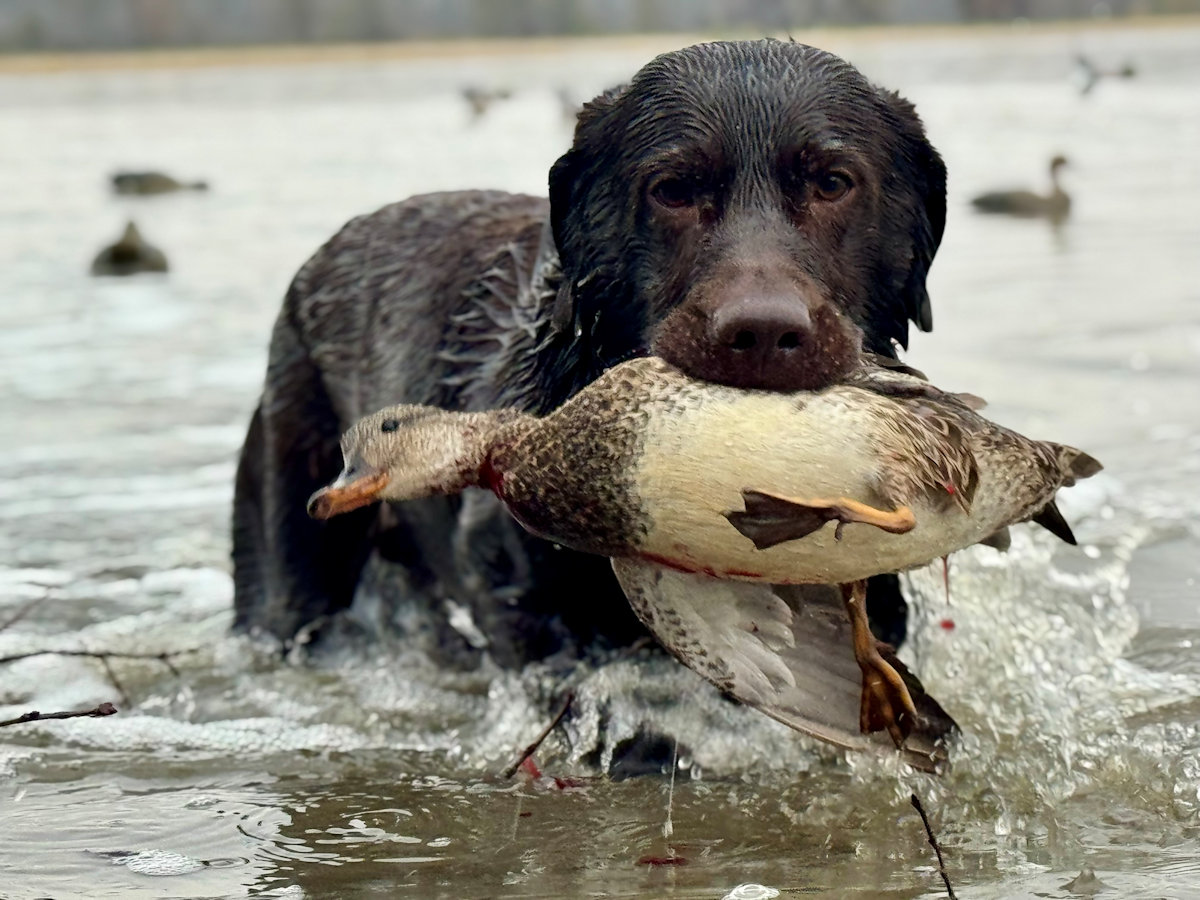
What This Means for Our Self-Guided Hunters
When someone books a self-guided hunt with Arkansas County Guide Service, they are not simply renting access to a random flooded field.
We are trying to put hunters on ground that has been watched, rotated and managed as part of the overall operation.
You still have to do your part. Decoy placement, calling, concealment, wind and shooting all matter. That is part of what makes self-guided hunting fun.
But before you ever set the first decoy, we have already spent time trying to make sure the field itself has been handled correctly.
That management is one of the biggest differences between simply having a place to hunt and having a place that continues to attract ducks throughout the season.
Frequently Asked Questions
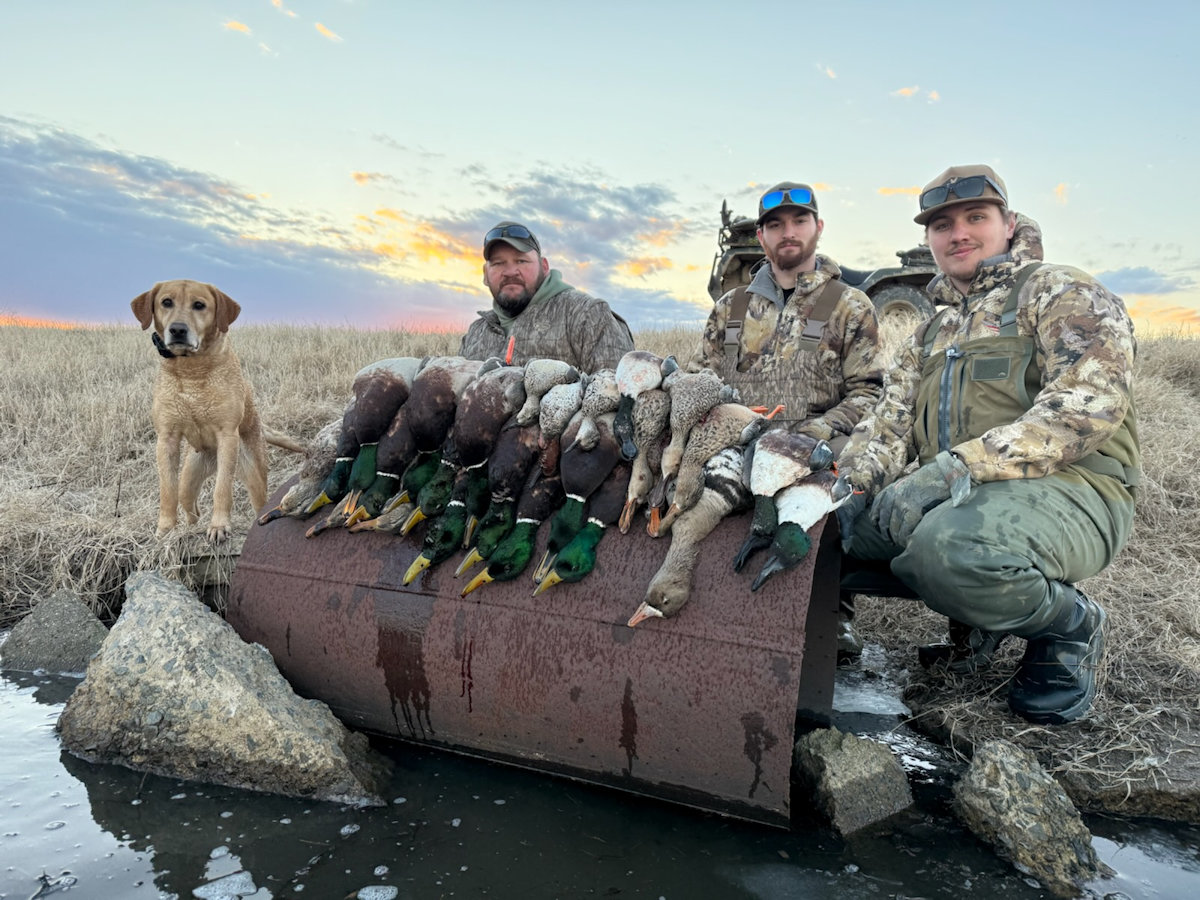
Self-Guided Arkansas Duck Hunts
Hunt managed private ground while handling your own decoys, calling and setup.
Our self-guided fields are watched, rotated and rested throughout the season.
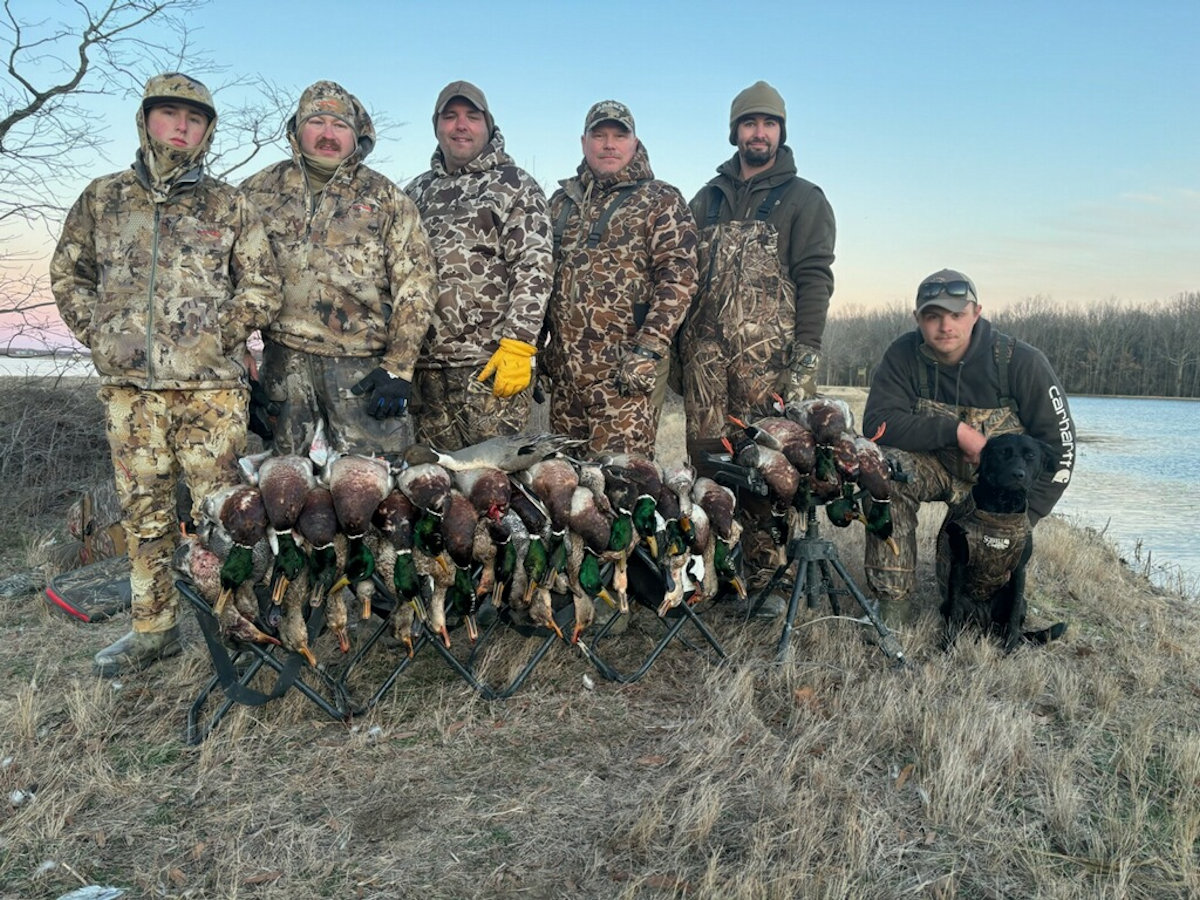
Arkansas Waterfowl Hunting
Arkansas County Guide Service offers guided and self-guided duck hunts around Stuttgart and the Arkansas Grand Prairie.
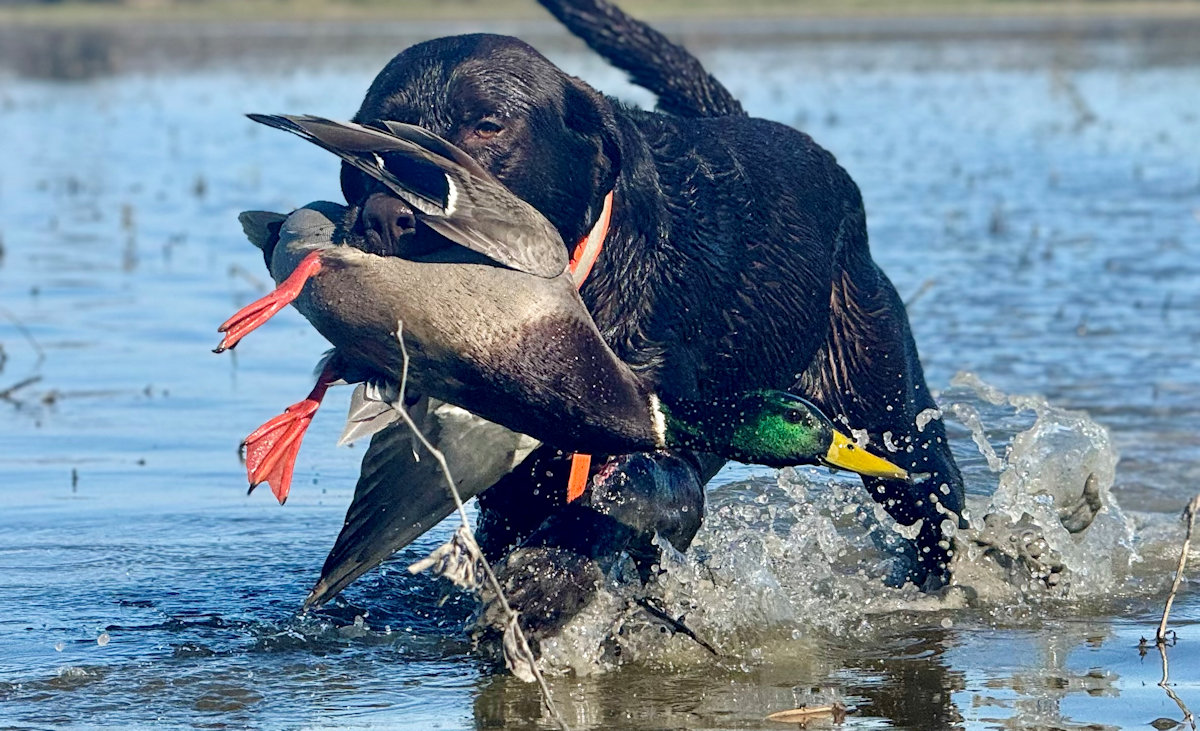
Planning a Hunt?
Have questions about self-guided fields, availability, lodging or hunt options?