How to Scout Arkansas Duck Fields Without Disturbing Birds
Arkansas County Guide Service • Waterfowl Hunting
Finding a field full of ducks is only part of scouting. The other part is leaving those ducks comfortable enough to keep using it.
Across the Arkansas Grand Prairie, a truck on a levee, someone walking toward the water, or repeated visits to the same field can create pressure before a shot is fired. If your scouting trip sends the birds somewhere else, you may have learned where they were without learning where they will be tomorrow.
Good scouting gives you enough information to make a hunting decision while keeping your presence to a minimum. Here is what to watch and how to get that information without walking through the birds.
Start Farther Away Than You Think You Need To
Use binoculars or a spotting scope before moving closer. A distant observation point may tell you bird numbers, where ducks are landing, and which part of the field they prefer without putting your truck beside the water.
Choose a legal, safe place to stop that does not block a farm road or put you in traffic. Scout only from places you have permission to access. Being able to see a field does not give you permission to enter its roads or levees.
Stay below the skyline when possible and avoid stepping out into an exposed position. Around flat rice country, a person standing on a levee can be visible from a long way off.
Distance is doing its job when the ducks continue feeding, loafing, and moving naturally. If birds begin lifting their heads together, swimming away, or getting up as you approach, back off. There is no fixed distance that keeps every flock comfortable.
Watch What Ducks Are Doing, Not Just How Many There Are
A field holding several hundred ducks deserves attention, but the count alone does not tell you how to hunt it.
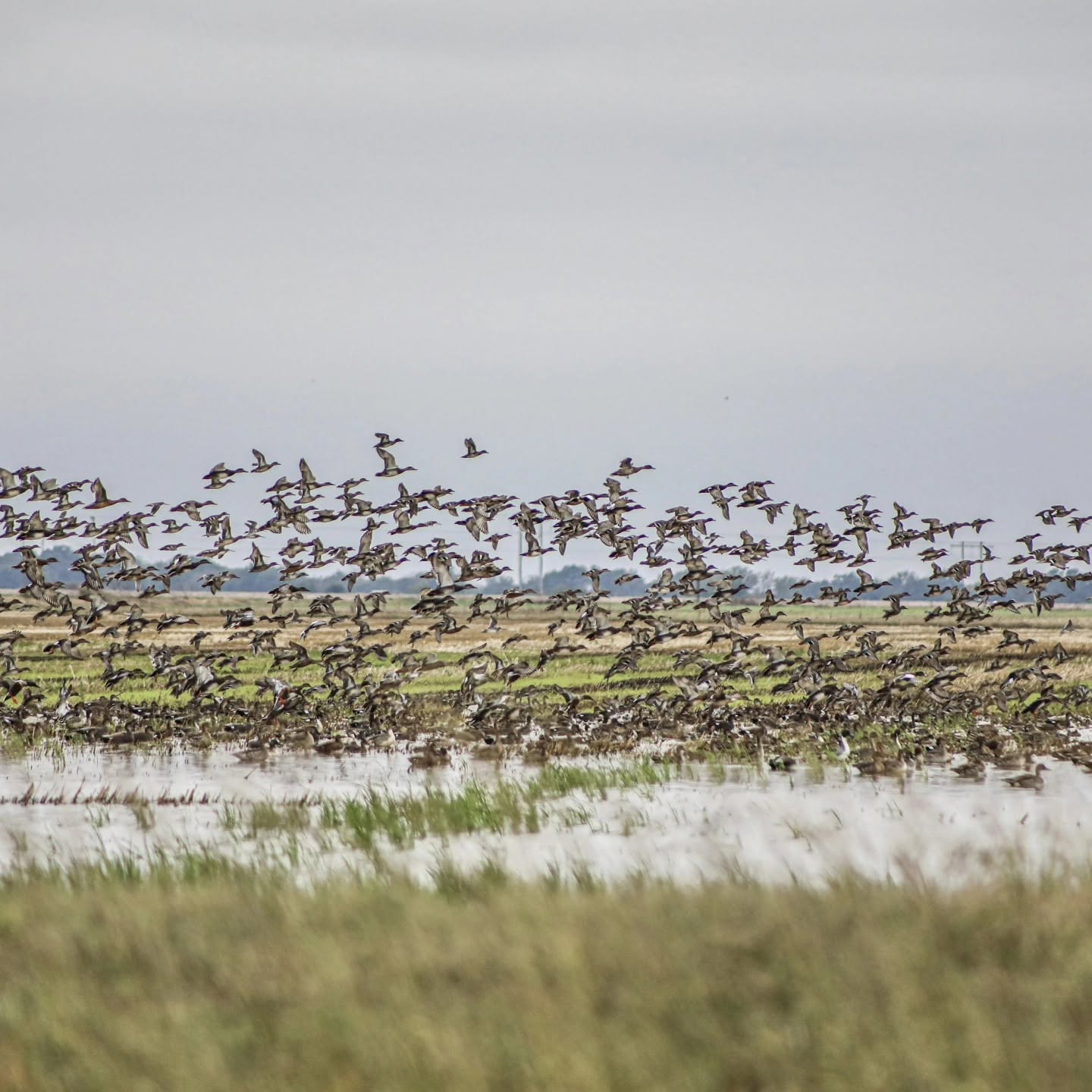
Watch whether birds are feeding, resting, or passing through. Ducks that land and immediately begin feeding are using the field differently from ducks that sit on open water for a short stop before leaving.
Look for patterns within the field:
Those observations help you separate a useful hunting pattern from a field that simply happened to hold birds during one visit.
Scout the Arrival, Not Just the Afternoon Bird Count
An afternoon check can show where ducks ended up. It may not show when they arrived or where they approached from.
When practical, observe at different times from the same distant position. Compare an early observation with a later one rather than driving closer every time you check. Note when birds begin entering the field and whether that movement repeats under similar conditions.
Some fields receive early feeding traffic. Others become more attractive later in the day. Weather and surrounding hunting activity can change both patterns. Do not assume an afternoon concentration guarantees a strong flight at first light.
Keep Notes on Wind, Water, and Landing Location
Write down the date, observation time, wind direction, general bird count, and the area receiving the most activity. A simple map pin or field sketch can help you remember which levee, corner, or shallow section the ducks preferred.
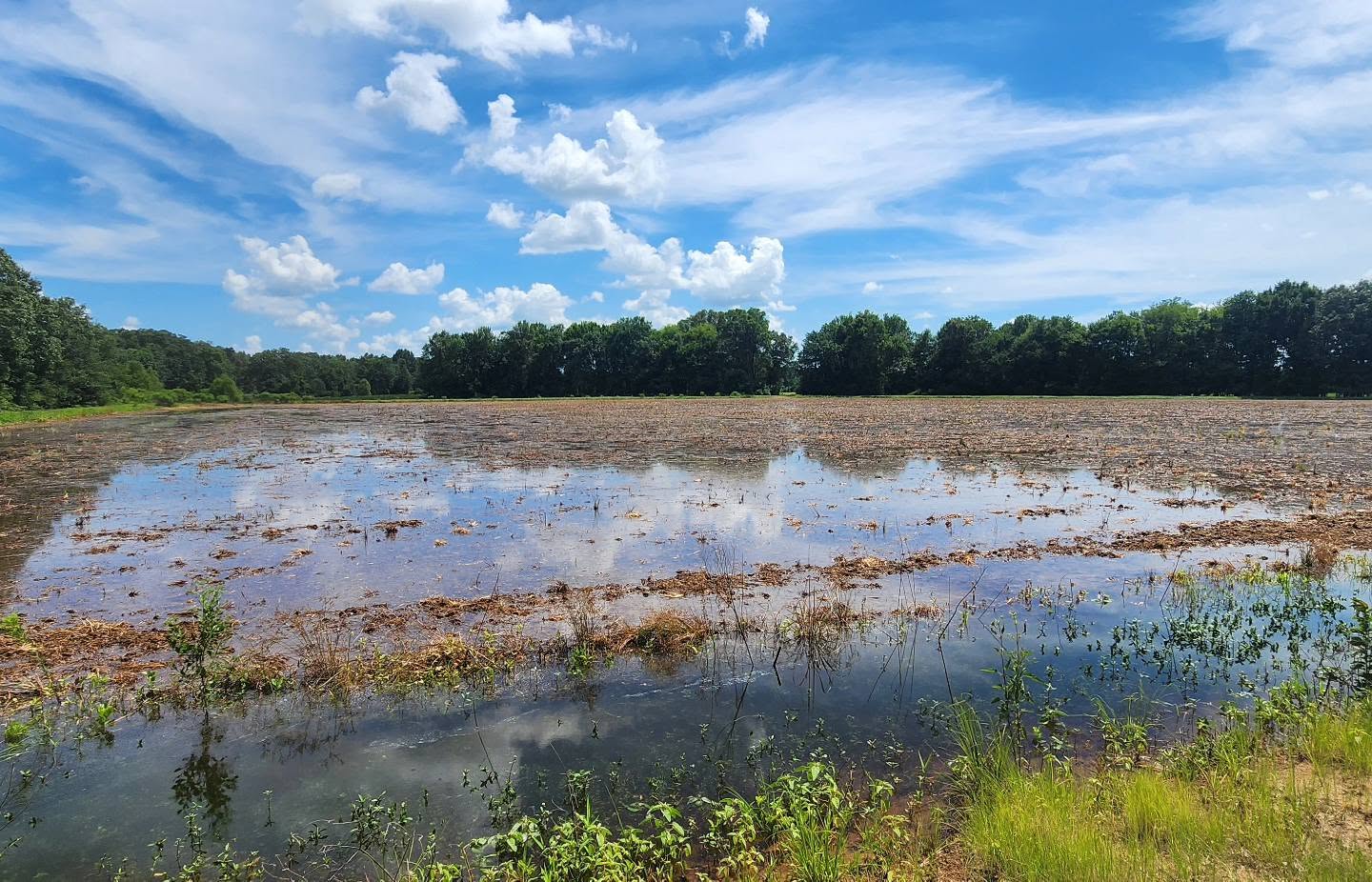
Include water changes. Rain, pumping, drainage, and freezing conditions can shift where food is accessible and where birds can land. Yesterday’s productive corner may not be today’s preferred spot.
Your notes should help answer a practical question: can you put a concealed spread near the area the birds want while giving them a natural approach into the wind?
Plan Your Access Before Hunt Morning
Scouting also needs to tell you how to get in and out. Use existing knowledge of the property and information from the landowner or outfitter to plan access rather than driving every levee while birds are present.
Figure out where vehicles will stop, how hunters will reach the blind, and where gear can be unloaded. Avoid crossing the main concentration of ducks just because that route is shorter.
Check unfamiliar access and water hazards when birds are absent and conditions allow. Darkness does not make an unknown flooded field safe to walk through.
Know When You Have Enough Information
Once you know where birds are landing, how they are using the field, and how you can approach it, another close look may offer little value.
Repeatedly checking a promising field can become its own source of pressure. Leave while the ducks are still acting naturally. If a field is building numbers or holding a small group that would be easy to move, resting it may be more useful than hunting it immediately.
Our article on self-guided field management explains how scouting and rest work together throughout the season.
Common Scouting Mistakes
Driving to the water’s edge, walking out to confirm a count, and pushing birds up to see how many were hidden all cost you the information you were trying to collect: how ducks use a field when they feel comfortable.
Another mistake is making the entire decision from one visit. A field can change quickly after weather, hunting pressure, or a change in nearby food and water. Recheck from a distance when conditions change, and make your decision from current observations.
Frequently Asked Questions
Plan an Arkansas Duck Hunt
Arkansas County Guide Service offers guided and self-guided waterfowl hunting around Stuttgart and the Arkansas Grand Prairie. Contact us to discuss hunt options and availability, or explore more waterfowl hunting tips and tactics.